Nijmegen Four Days Marches Begin with Over 45,000 Participants
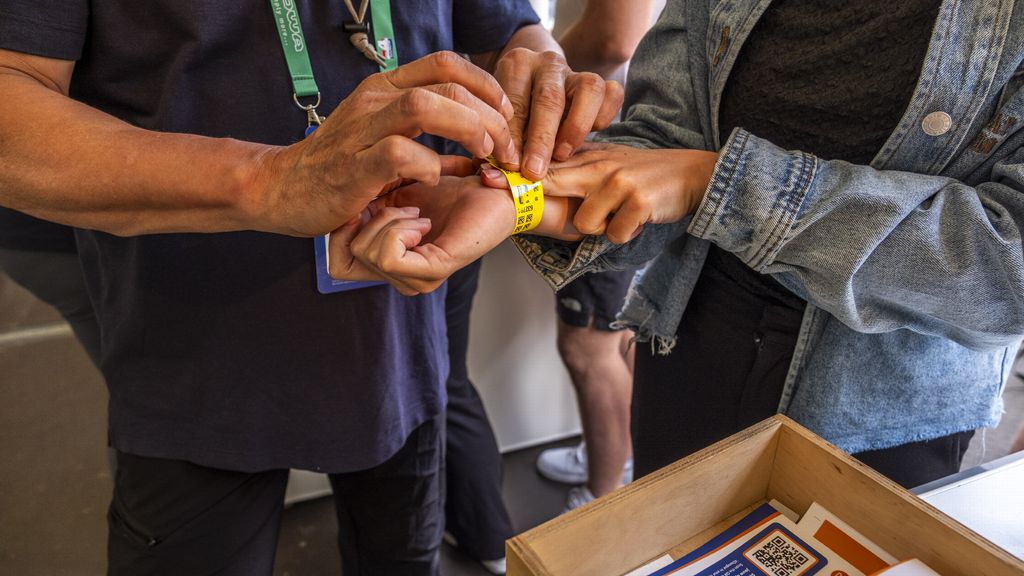
The 108th edition of the Nijmegen Four Days Marches has commenced in the early hours of this morning. The first participants set off at 4:00 AM for the fifty-kilometer route from the center of Nijmegen, with walkers for other distances starting later. This year's event boasts over 45,000 participants from more than 70 countries, reflecting a growing trend of younger individuals joining the walk. The proportion of participants aged 21 to 30 has significantly increased from 7.5 percent in 2016 to 20.5 percent currently. Today, known as 'Elst Day' or 'Blue Tuesday,' the route crosses the Waalbrug bridge into the Betuwe region. Elst's town center is adorned in blue, with participants welcomed by bands, singers, and thousands of spectators. The organization has made a route adjustment for Friday, the final day, affecting the 40 and 50-kilometer routes in the village of Beers. This change, implemented to ensure traffic safety, means participants will no longer pass through Elstweg, Doctor Moonsweg, and Jan van Daalstraat in Beers. Some residents of Beers are disappointed and are collecting signatures to reinstate the original route next year, while the municipality has committed to re-evaluating the route for the following year. The Four Days Marches will conclude this Friday with the traditional entrance onto the Via Gladiola, also known as Sint-Annastraat in Nijmegen, where thousands of spectators will greet the finishers with gladioli.
The Nijmegen Four Days Marches highlights evolving logistical considerations in large-scale public events, particularly concerning safety and community impact. The adjustment to the route in Beers, driven by traffic safety concerns, illustrates a common tension between event organizers' operational needs and local community expectations. While the organization prioritizes safety, the residents' petition underscores the importance of maintaining traditional routes that foster community engagement and local identity. Future planning could explore more collaborative approaches to route design, balancing safety imperatives with the desire to preserve established traditions and community participation. The increasing number of younger participants suggests a growing appeal of such endurance events, potentially influenced by broader societal trends in health, wellness, and experiential activities, which could shape the event's demographic and operational future over the next decade.
AI-generated to prompt reflection — not editorial opinion, not advice, not a statement of fact. How this works.