Nijmegen Four Days Marches Considers Seasonal Shift Amid Heat Concerns
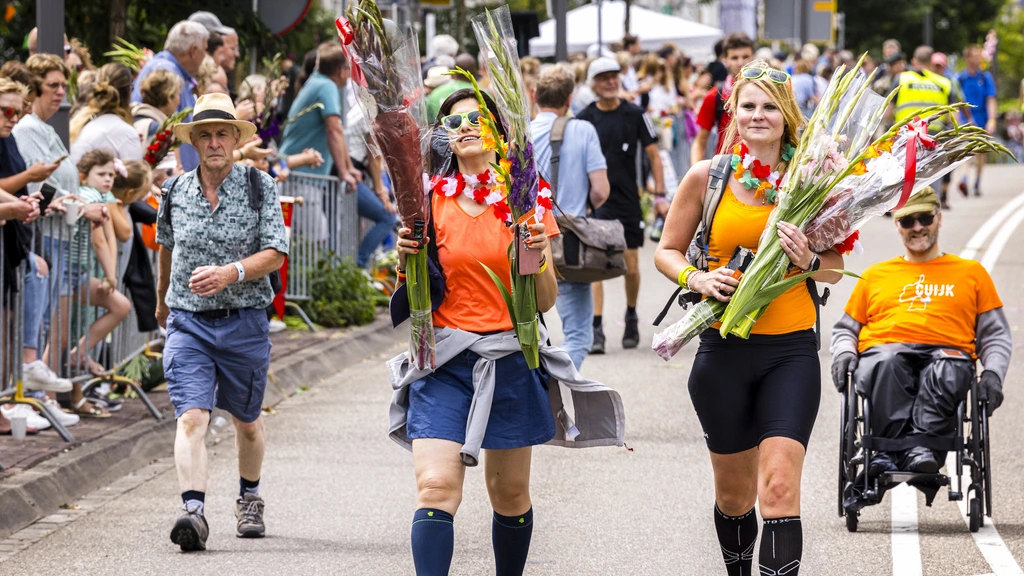
The organization of the Nijmegen Four Days Marches is exploring the possibility of moving the popular walking event to a cooler time of year due to increasing concerns about extreme heat. Mars leader Henny Sackers floated the idea of relocating the event, potentially to January, in an interview, but the proposal has met with significant resistance. Hubert Bruls, the mayor of Nijmegen, expressed strong reservations, stating that such a move would effectively mean the end of the event and require a complete restart, citing challenges in mobilizing thousands of volunteers during winter. He believes substantial changes would need to occur before a relocation could even be considered.
Joris Bouwmeister, chairman of the Four Days Festivals Foundation, also opposes a shift, emphasizing that the event's current timing, at the start of the summer holiday on the third Tuesday of July, is deeply ingrained in public consciousness and tradition. He noted that participants plan their lives around this schedule, making it difficult to alter. Sackers later partially retracted his suggestion, clarifying that a move is not currently on the table and would only be considered if the event is repeatedly canceled due to extreme weather over multiple years.
Past editions have faced severe heat-related issues, including heatstroke, and tragically, two participants died in 2006, leading to the cancellation of the remainder of that event. In response to extreme heat in other years, organizers have implemented measures such as shortening routes, extending time limits, or starting earlier. In 2022, the march was reduced to three days due to heat. While the necessity of such measures for the upcoming edition, starting July 21, remains uncertain, Sackers acknowledged concerns during a recent 40-degree Celsius heatwave. The municipality and organizers are preparing potential solutions, including route adjustments, and a team of experts, including a meteorologist and physiologists, will advise on weather-related measures.
The Nijmegen Four Days Marches faces a systemic challenge in adapting a traditional, large-scale outdoor event to the escalating impacts of climate change, specifically extreme heat. The debate over relocating the event highlights the tension between preserving established traditions and ensuring participant safety and operational viability in a changing environment. While a seasonal shift might seem a logical solution to mitigate heat risks, the logistical, cultural, and volunteer-based complexities of such a move are substantial, suggesting that incremental adaptation strategies, such as route modifications and enhanced participant support, may be more feasible in the short to medium term. The event's long-term sustainability will likely depend on innovative approaches to weather resilience and a proactive engagement with evolving climate realities, potentially influencing how similar large-scale public gatherings are planned and executed globally in the coming decade.
AI-generated to prompt reflection — not editorial opinion, not advice, not a statement of fact. How this works.