Nijmegen Implements Preventative Searches at Vierdaagsefeesten After Violence
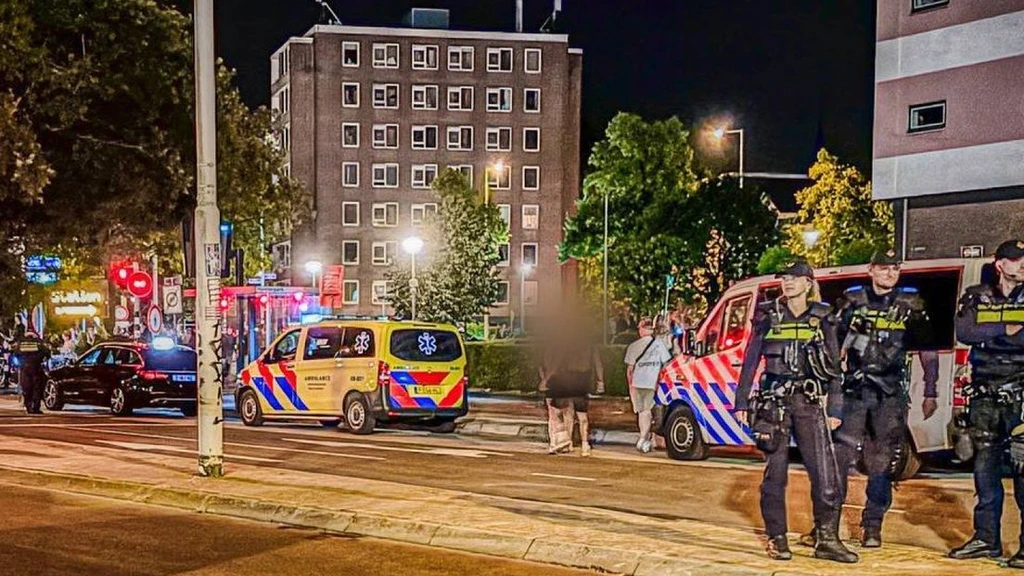
Nijmegen police are now authorized to conduct preventative searches at the Vierdaagsefeesten due to serious violent incidents during the festival. Festival attendees will be checked for weapons, drugs, and alcohol. The capacity of the festival has also been reduced from 8,000 to 6,000 visitors, with additional security measures and increased police presence implemented, particularly at the Matrixx at the Park festival in Hunnerpark. This area has been designated a security risk zone following multiple violent incidents this week. Mayor Bruls expressed concern for visitor safety and emphasized the importance of keeping the Vierdaagsefeesten a fun and safe event for everyone. These measures follow several violent incidents, including a fatal shooting on Tuesday evening involving an 18-year-old man from Rotterdam and the severe assault of a security guard early Wednesday morning. The security guard was beaten and kicked near a bicycle shed at Stationsplein after a verbal altercation. Police are seeking witnesses and anyone with footage of the assault. Regarding the fatal shooting, an 18-year-old man from Rotterdam was initially arrested but later released as he was not involved. No arrests have been made in connection with the shooting. Looking ahead, Nijmegen plans to alter next year's festival by not featuring major artists like Ronnie Flex or Lil Kleine at the Hunnerpark festival, citing that their presence attracts a younger demographic prone to incidents.
The implementation of preventative searches and capacity reductions at the Vierdaagsefeesten reflects a reactive approach to escalating public safety concerns, triggered by specific violent events. While immediate security measures are necessary, a forward-looking strategy might explore root causes of increased aggression, such as crowd dynamics, alcohol policies, and the socio-economic factors influencing youth engagement with large-scale events. The decision to exclude certain artists suggests a focus on demographic management, but a more comprehensive approach could involve enhanced conflict resolution training for security personnel and improved urban planning that integrates public spaces with event management to mitigate risks. Future planning should consider how technology and data analytics can proactively identify potential threats and optimize resource allocation, rather than solely relying on post-incident responses.
AI-generated to prompt reflection — not editorial opinion, not advice, not a statement of fact. How this works.