Nijmegen Man Dies by Suicide After Shooting at Police
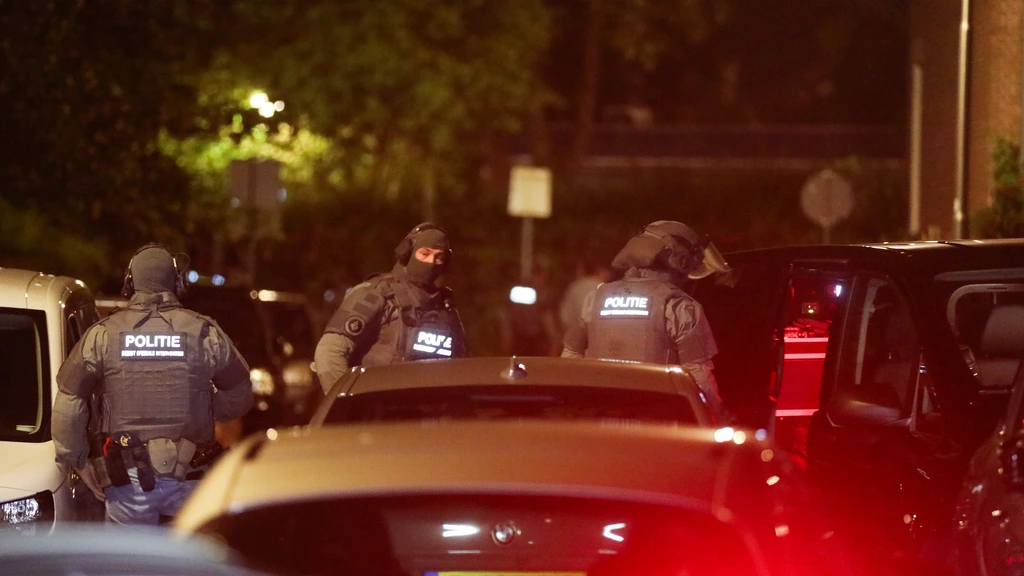
A man in Nijmegen died by suicide in the early hours of Friday after firing shots at police officers from his home. The incident began on Thursday evening around 6:00 PM when concerned family members reported the man missing. Police located him in a residence on Jacob van Campenstraat around 10:30 PM, where he exhibited confused behavior. Officers attempted to engage him to offer assistance, but at approximately 11:45 PM, he discharged a firearm in the direction of the police. Fortunately, no officers were injured during this exchange. Due to the perceived danger, the Special Interventions Service (DSI) was deployed, along with an ambulance and emergency responders prepared for a potential crisis admission. DSI officers spent several hours attempting to de-escalate the situation before entering the residence 2.5 hours later. Shortly before their entry, the man sustained a self-inflicted gunshot wound. He received immediate medical attention but succumbed to his injuries several hours later in the hospital. A police spokesperson indicated that no further investigation would be conducted, stating that the incident was clearly linked to the man's mental health.
This tragic event highlights the complex interplay between mental health crises, public safety, and the use of specialized police units. The extended de-escalation period underscores the challenges law enforcement faces when confronting individuals in acute psychological distress, particularly when firearms are involved. The decision to deploy the DSI and prepare for crisis intervention reflects a procedural approach aimed at minimizing harm to all parties. However, the ultimate outcome raises questions about the effectiveness of available mental health support systems and crisis response protocols in preventing such severe personal tragedies. Future considerations may involve enhancing early intervention strategies and ensuring seamless integration between mental health services and emergency response to address individuals exhibiting concerning behavior before they reach a critical point.
AI-generated to prompt reflection — not editorial opinion, not advice, not a statement of fact. How this works.