Nikola Tesla Reflects on Childhood, Innovation, and Family Influence
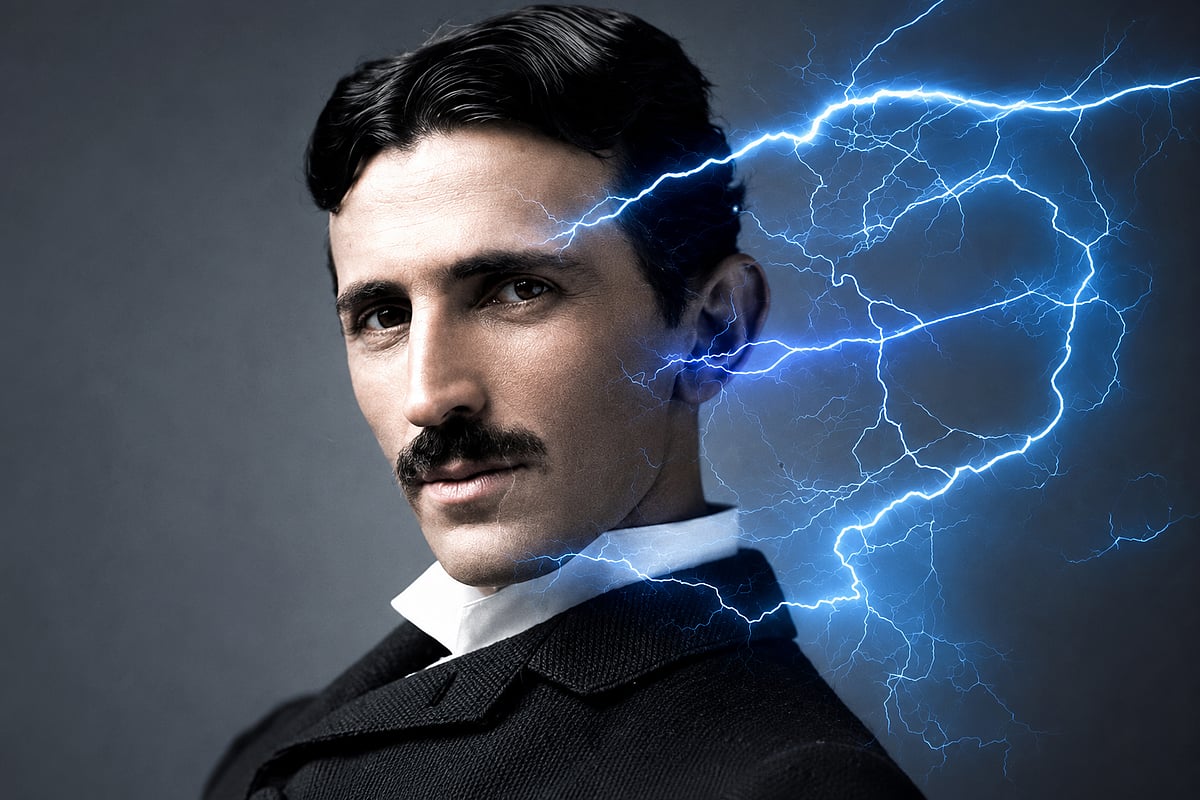
In this personal reflection, Nikola Tesla, the architect of the modern technological and electrical revolution, delves into the fundamental role of innovation in human progress. He emphasizes that innovation's purpose is to harness nature's power for human benefit, driven by the creative mind's ability to control nature through thought. Tesla acknowledges the arduous path of an inventor, often marked by hard work, lack of recognition, misunderstanding, and neglect, yet finds profound reward in realizing one's full potential and contributing to civilization's advancement. He describes his own life as one lived in a state of enchantment, driven by constant thought rather than adherence to rigid schedules, finding joy and achievement through his own intellect.
Tesla explains that these writings are for the editors of Electrical Experimenter, particularly for young readers, and aims to present his life's events truthfully and chronologically, necessitating a return to his childhood and formative experiences. He distinguishes between innate, imaginative early impulses and the development of reasoned, planned action with age, stressing that early inclinations, though not immediately fruitful, lay the foundation for future endeavors. Tesla regrets not understanding his own inventive nature earlier, which he attributes partly to the shadow cast by his exceptionally gifted elder brother, Dane, whose death at 12 deeply affected his parents and, by extension, Tesla's own self-confidence. He recounts a dramatic incident where his family's Arabian horse saved his father's life during a wolf attack but later tragically caused his brother's death, a memory that continues to haunt him and diminish his own accomplishments in comparison.
Further shaping his early self-perception, Tesla recalls being perceived as exceptionally clever by a wealthy elder, who withheld a silver coin, stating Tesla was too sharp. He also humorously describes avoiding his aunts' affectionate but physically uncomfortable kisses. A pivotal internal conflict arose from his family's expectation that he become a priest, a path he resisted in favor of his strong desire to become an engineer. His father, a former Napoleonic army officer turned renowned priest, poet, and orator, possessed a sharp intellect, remarkable memory, and a unique wit, which Tesla illustrates with anecdotes about his father's dry humor and peculiar habit of conversing with himself, sometimes heatedly.
This narrative offers a profound look into the developmental influences on a seminal inventor, highlighting the interplay between innate talent, familial expectations, and personal tragedy. Tesla's reflections underscore that societal and personal environments significantly shape an individual's self-perception and the trajectory of their innovations. The narrative implicitly critiques systems that fail to nurture nascent talent, particularly when overshadowed by loss or rigid vocational paths. From a future-oriented perspective, understanding these formative pressures is crucial for designing educational and societal structures that effectively identify and cultivate diverse forms of genius, ensuring that potential is not stifled by circumstance or the unfulfilled ambitions of previous generations. This perspective prompts consideration of how to better balance tradition and individual aspiration in fostering the next wave of transformative thinkers.
AI-generated to prompt reflection — not editorial opinion, not advice, not a statement of fact. How this works.