Nine Campinas-region cities host above-average immigrants despite weak reception structures
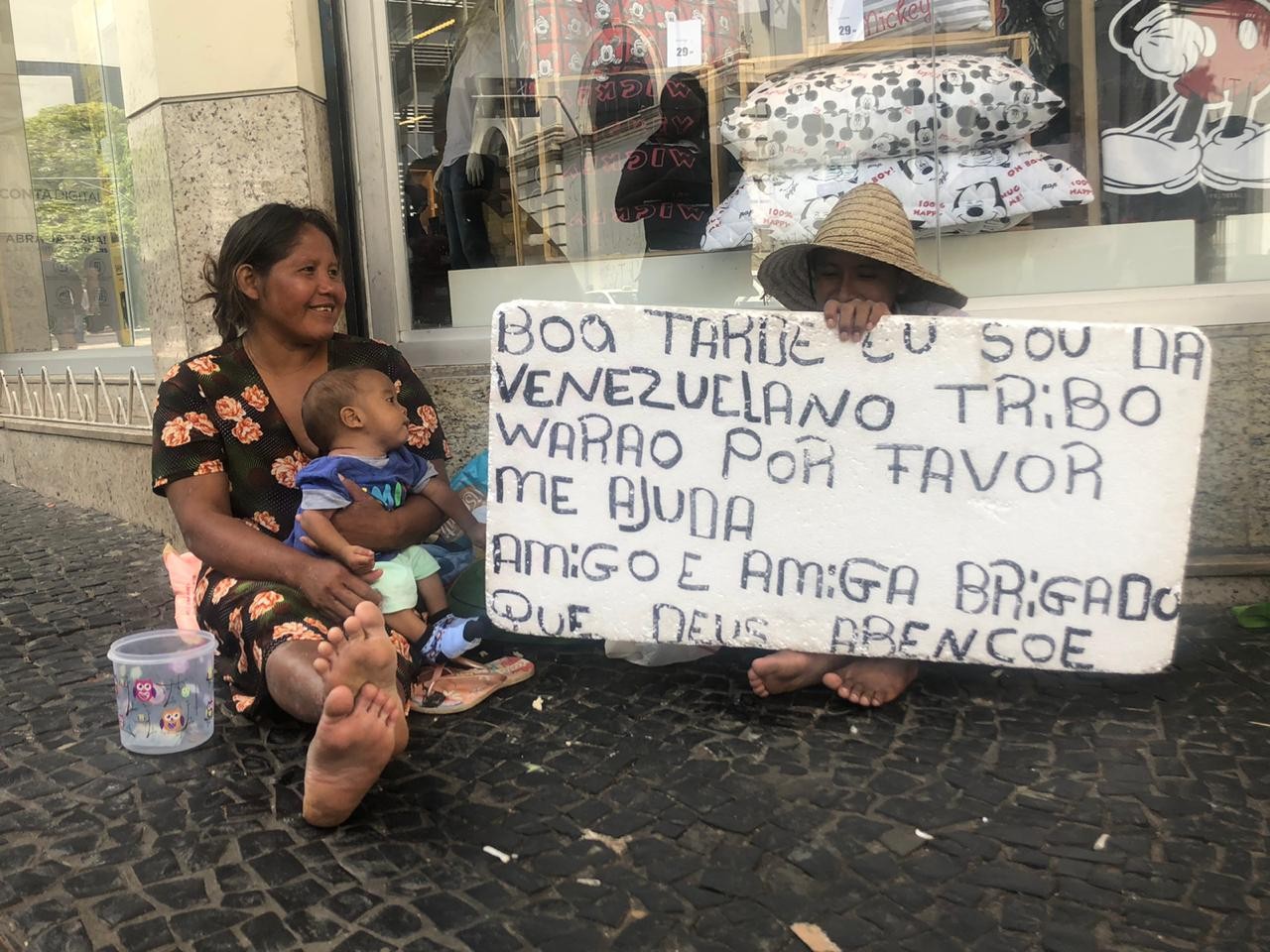
Nine cities within the administrative region of Campinas, São Paulo, received immigrants and refugees at a rate higher than the regional average between January 2025 and April 2026, despite possessing low or very low institutional capacity for their reception. This finding is based on a g1 analysis of the 2024 IBGE Munic survey and methodology from the OBMigra observatory at the University of Brasília. The Munic survey collected data from Brazilian municipalities on their public policies for immigrant and refugee reception, evaluated across 14 criteria. Municipalities with more positive responses indicating established structures were rated higher. Hortolândia, Indaiatuba, Limeira, Paulínia, Piracicaba, Santa Bárbara d'Oeste, Sumaré, Valinhos, and Vinhedo were classified as having very low or low institutional capacity. Despite this, they experienced a higher-than-average number of residence permit approvals for immigrants and refugees, with the regional average being 83 residences per city annually. Some municipalities, like Valinhos and Hortolândia, highlighted recent policy advancements, while Paulínia, Santa Bárbara d'Oeste, and Vinhedo stated that social assistance networks are utilized to accommodate these individuals. Indaiatuba, Limeira, Piracicaba, and Sumaré did not provide responses by the time of the report.
The data reveals a significant disparity between the influx of immigrants and refugees and the preparedness of local infrastructure in nine municipalities within the Campinas region. This situation highlights systemic challenges in Brazil's national migration management, where institutional capacity for reception is often concentrated in larger urban centers like São Paulo, leaving smaller municipalities with limited resources to cope with increasing numbers. The reliance on civil society organizations and informal social assistance networks underscores the need for more robust, formalized public policies and intergovernmental cooperation. Future policy development should focus on equitable resource distribution and capacity building across all municipalities, recognizing that effective integration benefits both the migrant population and the host communities by fostering social cohesion and economic contribution. The recent federal initiative, the National Policy on Migration, Refuge, and Statelessness, aims to address these gaps, but its successful implementation will depend on sustained investment and coordinated efforts at the municipal level to ensure quality reception and integration services, particularly in areas with historically low institutional capacity.
AI-generated to prompt reflection — not editorial opinion, not advice, not a statement of fact. How this works.