Nine Countries Demand EU Cut Funding to Sports Bodies Allowing Russian Athletes
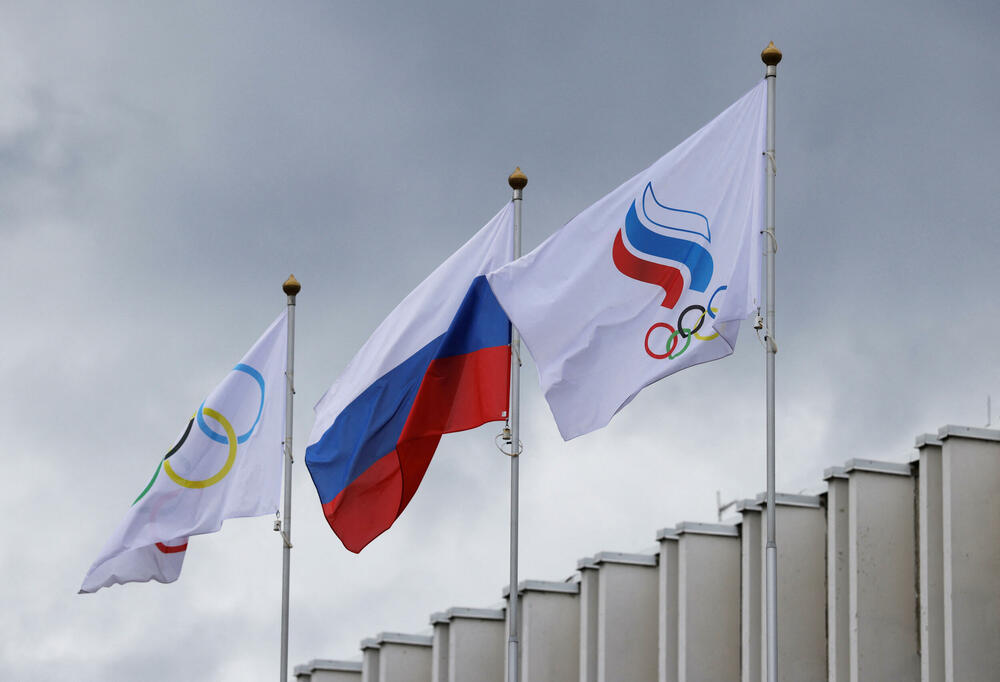
Nine European nations have formally requested that the European Union halt financial support for international sports organizations. These countries are specifically targeting organizations that have permitted Russian and Belarusian athletes to compete again under their national flags. The demand stems from a shared concern over the presence of athletes from these nations in international competitions. The group of nine countries believes that allowing athletes to represent Russia and Belarus undermines the integrity of sports and international sanctions. They are urging the EU to use its financial leverage to pressure these sports governing bodies into reversing their decisions. The specific amount of funding at stake and the exact sports organizations targeted have not been detailed in the initial reports. However, the coordinated action signals a strong diplomatic push to isolate Russia and Belarus further through the international sports arena. This move could have significant implications for upcoming international sporting events and the participation of athletes from the two countries.
This situation highlights a complex geopolitical tension playing out within international sports governance. The demand from nine EU member states to cut funding to sports organizations that permit Russian and Belarusian athletes to compete under national symbols reflects a broader strategy of isolating Russia. The core incentive for these states is to maintain pressure on Russia through international bodies, aligning sports policy with broader foreign policy objectives. However, the sports organizations face a dilemma: balancing political pressure with their mandate to promote sports participation and neutrality. The long-term implications could involve a fragmentation of the international sports landscape, with differing policies on athlete participation emerging across various governing bodies and regions. This could challenge the universality of sport and create complex logistical and ethical issues for athletes and event organizers in the coming decade.
AI-generated to prompt reflection — not editorial opinion, not advice, not a statement of fact. How this works.