Nine EU Nations Urge Funding Cuts for Sports Bodies Hosting Russian, Belarusian Athletes
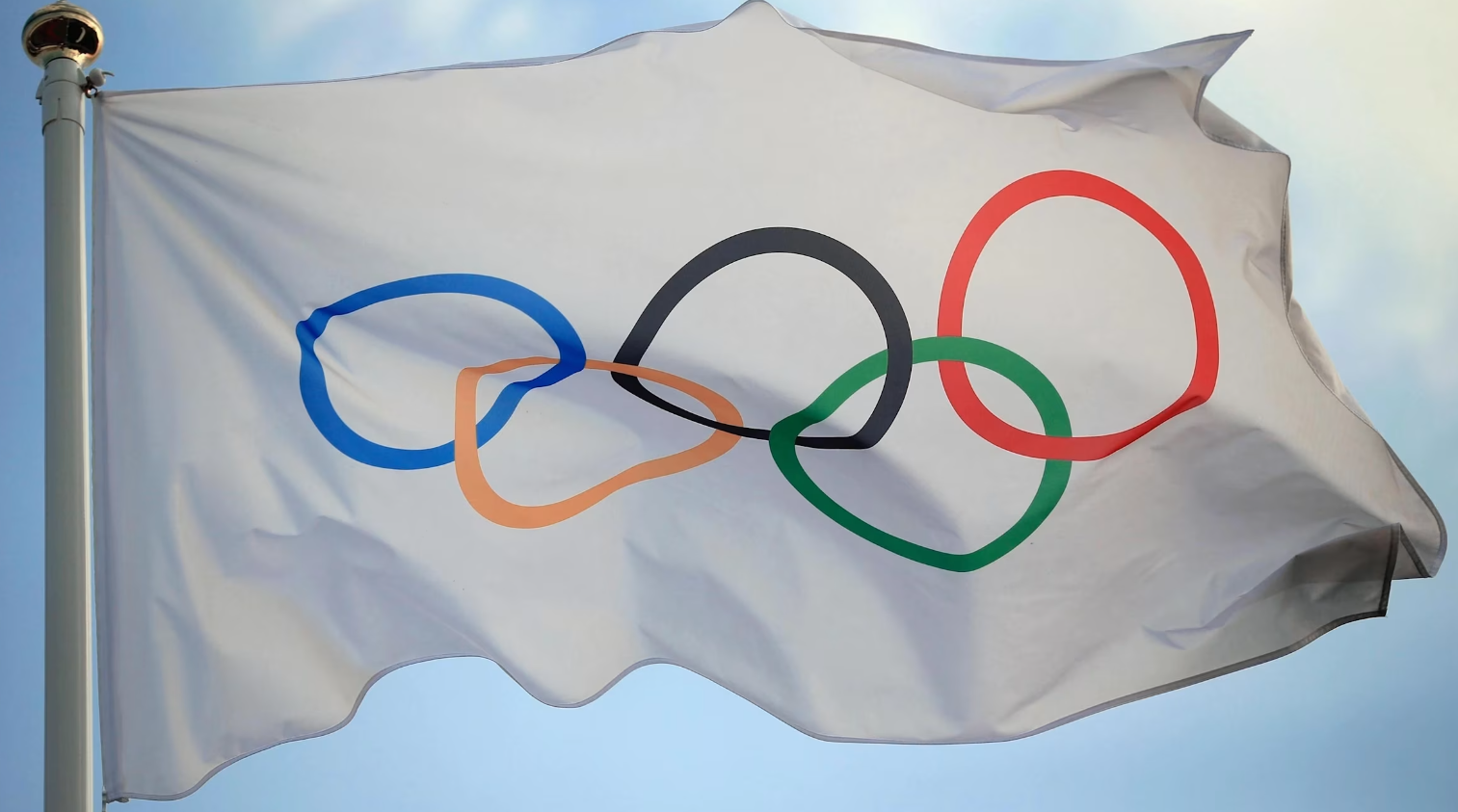
Romania and eight other European nations have formally requested that the European Union cease funding sports organizations that permit athletes from Russia and Belarus to compete. The appeal was announced on Tuesday by Estonia's Ministry of Culture, as reported by Reuters. The targeted organizations include the International Olympic Committee (IOC). This joint action by the nine countries underscores a growing sentiment within parts of Europe regarding the participation of Russian and Belarusian athletes in international sports events. The nations are advocating for a clear stance from the EU on financial support for sports governing bodies. Their request aims to influence the EU's budgetary decisions concerning sports diplomacy and international federations. The move reflects ongoing geopolitical tensions and their impact on the global sporting arena. The specific amount of funding potentially affected has not been detailed in the initial announcement. The participating countries are seeking to leverage EU financial mechanisms to enforce their position on athlete eligibility.
This diplomatic initiative highlights the complex intersection of geopolitics and international sports governance. By linking EU funding to participation policies, these nine nations are attempting to exert financial leverage on sports organizations, including the IOC. This approach reflects a broader trend of using economic tools to influence behavior in international relations. The underlying incentive structure for sports bodies often balances competitive ideals with political realities. The long-term implications could involve a fragmentation of international sports or a recalibration of their relationship with national governments and supranational bodies like the EU. The effectiveness of this funding cut strategy will depend on the EU's willingness to adopt a unified stance and the financial dependence of the targeted sports organizations on EU contributions.
AI-generated to prompt reflection — not editorial opinion, not advice, not a statement of fact. How this works.