Nine Lawyers Arrested in Bahia Operation Against Prison Gangs
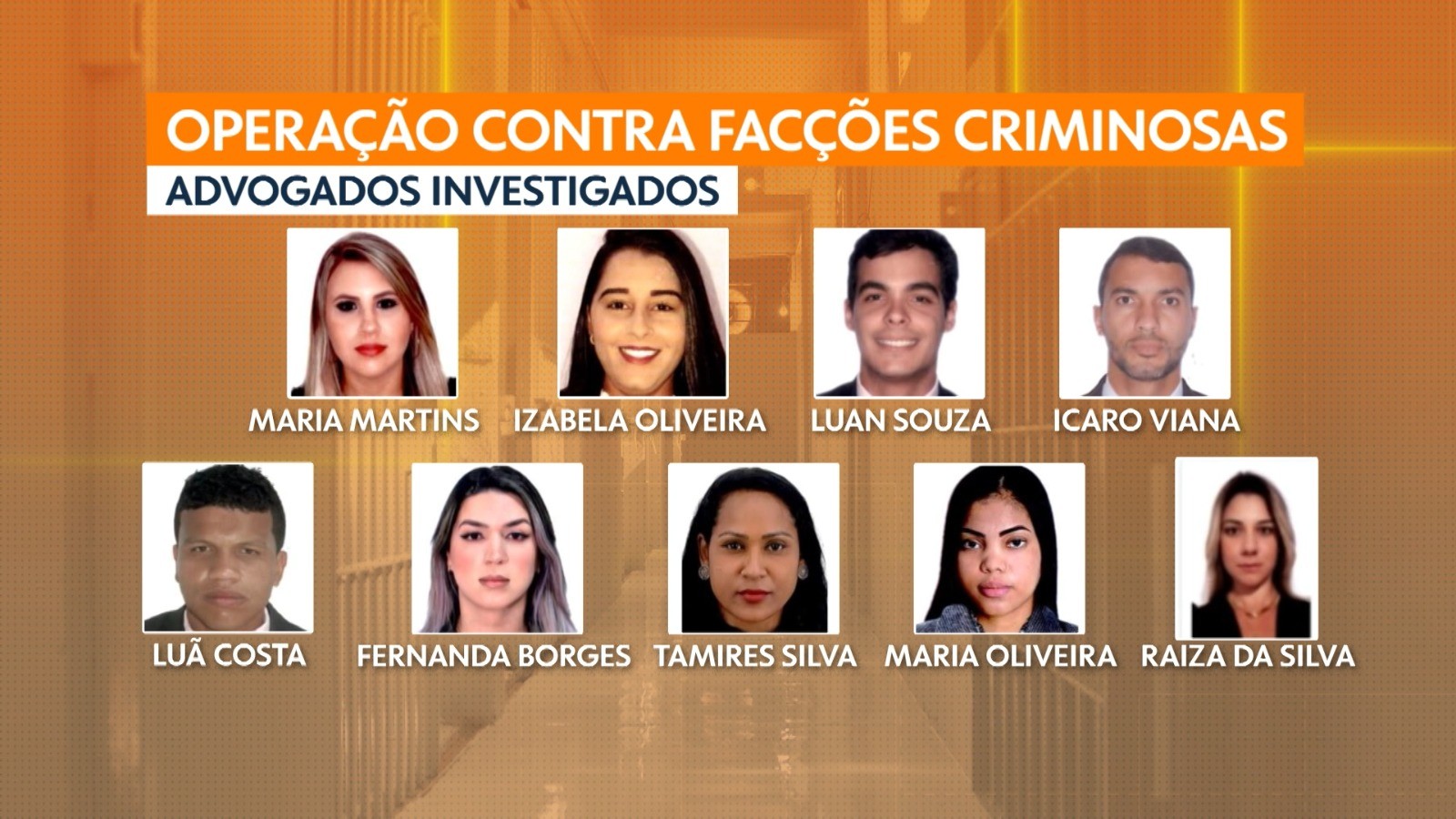
An operation named Sintonia de Gravata in Bahia, Brazil, has resulted in the arrest of nine lawyers suspected of facilitating criminal factions operating from within prisons. The operation, which began on Friday, March 3rd, also targeted 12 inmates already in custody. Investigations revealed a sophisticated clandestine communication network used by these organized crime groups, involved in drug trafficking and illegal firearms acquisition. The lawyers allegedly exploited their professional privileges to bypass isolation measures in maximum-security prisons, enabling incarcerated leaders to manage their criminal enterprises. These lawyers played a strategic role in transmitting messages, confirming decisions, and monitoring criminal activities, including drug trade, arms trafficking, financial transactions, and internal conflicts. The operation involved over 100 professionals from various law enforcement and judicial bodies across multiple municipalities in Bahia. Authorities have frozen assets totaling at least R$10 million and seized vehicles, properties, boats, and aircraft to disrupt illicit financial flows. The OAB (Brazilian Bar Association) Bahia chapter is monitoring the case, ensuring the arrested lawyers' rights are respected, and will take disciplinary action if warranted after reviewing the case files.
This operation highlights a critical vulnerability within the justice system where legal professionals may become complicit in criminal activities, undermining the integrity of both the legal profession and correctional facilities. The sophisticated communication scheme, facilitated by lawyers, demonstrates how organized crime adapts to security measures by leveraging established institutions. The extensive asset freezes suggest a significant financial dimension to these criminal networks, indicating that financial disruption is a key strategy for dismantling them. Future efforts may need to focus on strengthening oversight mechanisms for lawyer-client communications in high-security contexts and addressing the systemic incentives that could lead legal professionals to engage in such activities, ensuring that the legal framework itself does not inadvertently enable criminal enterprises.
AI-generated to prompt reflection — not editorial opinion, not advice, not a statement of fact. How this works.