Nine Workers Rescued from Slave-Like Conditions in Brazilian Northeast
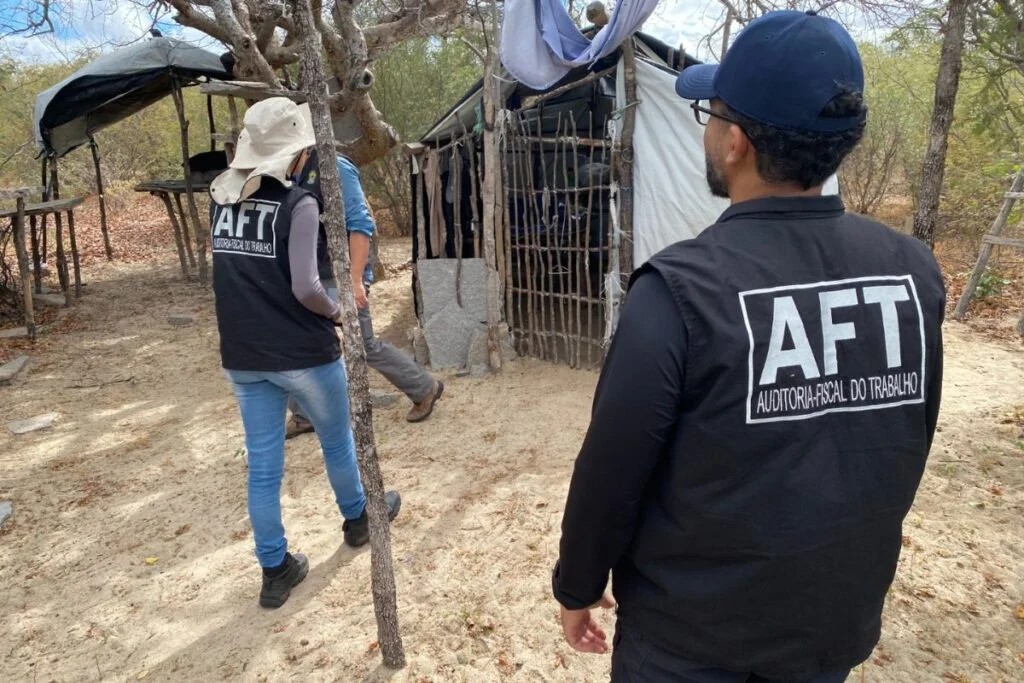
An operation conducted by the Labor Audit and Inspection (AFT) between June 30 and July 8 rescued nine workers from slave-like conditions in Santa Cruz, located in the Sertão region of Pernambuco, Brazil. The findings were disclosed on Monday, July 13. The inspections targeted public works projects involving paving and quarries supplying materials for these services. According to the Ministry of Labor and Employment (MTE), the rescued individuals were engaged in laying pavement for public roads and extracting and cutting stones. Three construction companies, contracted by public entities, were found to be employing these workers and were subsequently cited. During the inspections, auditors discovered degrading living conditions, with workers sleeping on mattresses on the floor in overcrowded, non-private housing. In the quarries, some workers lived in makeshift tents and shacks within the extraction area itself. These workers lacked access to potable water, sanitary facilities, and adequate spaces for rest and meals. Furthermore, they were handling homemade explosives without proper training or certification, posing a significant risk of accidents. Their pay was production-based, calculated per thousand stones cut or square meter paved, with payments made without receipts or legal labor guarantees. Some employees had been recruited from other municipalities and were dependent on their employers for housing, food, and transportation. The AFT has mandated the companies to rectify the workers' situations, formalize and terminate contracts, and pay outstanding severance. Including individual moral damages, the total payments due amount to approximately R$ 520,000. The rescued workers are eligible for unemployment insurance specific to victims of slave-like labor and have been referred to social protection services. The operation was coordinated by the AFT with participation from the Public Prosecutor's Office of Labor (MPT), the Public Defender's Office of the Union (DPU), and the Federal Police (PF). In addition to Pernambuco, the task force also operated in Bahia, rescuing 20 more workers in similar conditions in the cities of Casa Nova and Sento Sé. The roles of the public entities responsible for contracting these works are still under investigation.
This operation highlights persistent issues of labor exploitation within supply chains, particularly concerning public works contracts. The systemic failure to ensure basic worker rights and safety standards, including access to sanitation, adequate housing, and safe handling of materials like explosives, points to significant governance gaps. While the immediate rescue and compensation are crucial, the ongoing investigation into the public entities involved is key to understanding how these conditions were permitted. Future efforts should focus on strengthening oversight mechanisms and accountability for all parties in public contracting, incentivizing ethical labor practices and preventing the recurrence of such exploitative environments in the digital age.
AI-generated to prompt reflection — not editorial opinion, not advice, not a statement of fact. How this works.