Nine Workers Rescued From Substandard Housing in Ceará, Return Home to Maranhão
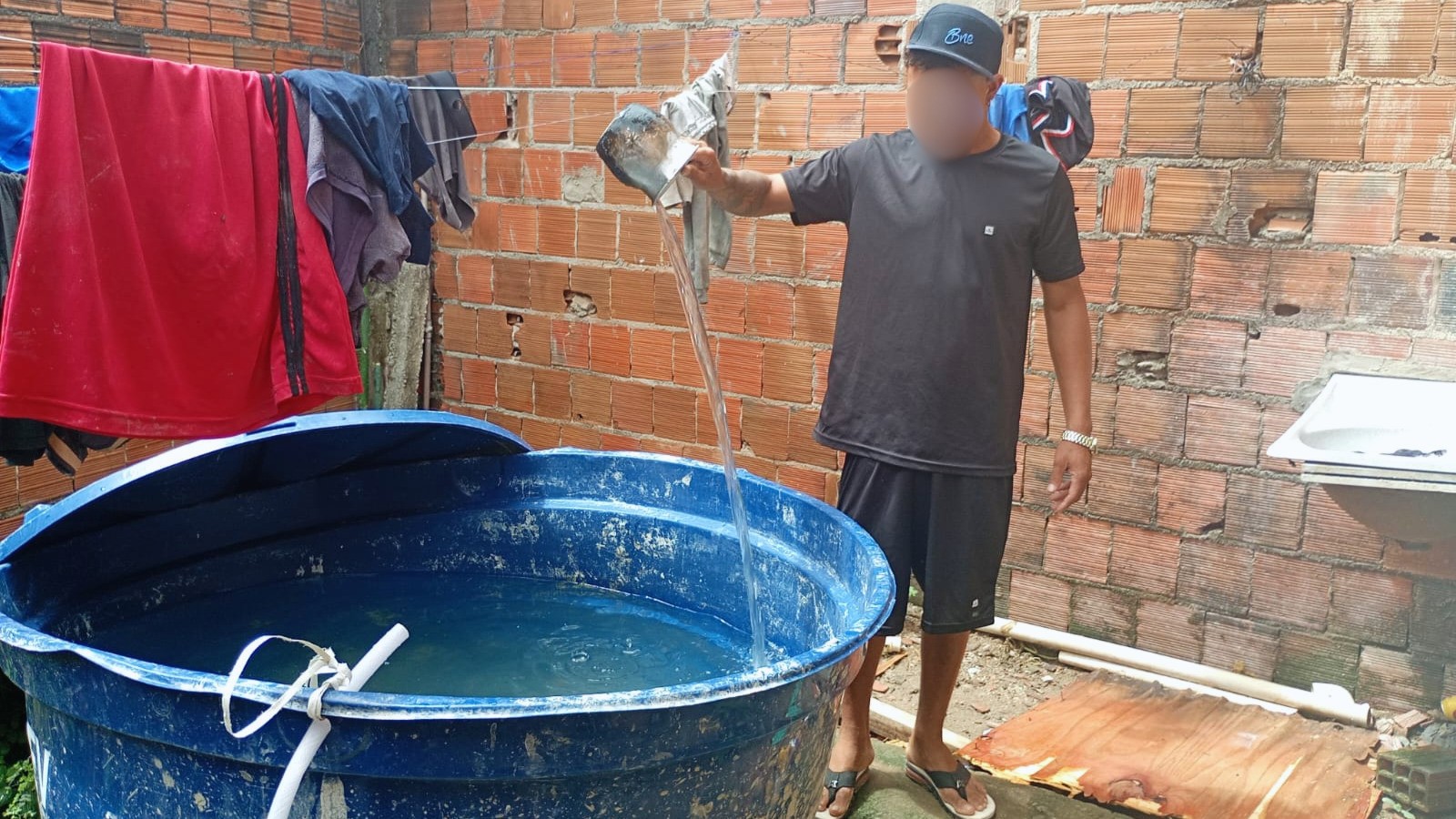
Nine out of fifteen construction workers from Maranhão, who were living in precarious conditions in Maranguape, near Fortaleza, Ceará, have returned to their home state. The workers were rescued on Tuesday, October 21st, after reporting a lack of payment, food, and adequate housing. Their accommodation lacked running water and furniture, forcing them to sleep on hammocks. The situation was reported to the Union of Construction Workers of the Metropolitan Region of Fortaleza (STICCRMF), which facilitated the rescue. The workers had been promised employment with housing, but had reportedly not been paid for approximately 20 days and faced severe food shortages. Some workers lost significant weight due to the conditions. The company Engeplan, responsible for the condominium construction project, stated that a subcontracted company provided the housing and that Engeplan adheres to strict safety and health protocols on the construction site itself. Following the rescue, the workers received their due labor rights, including payment for days worked, proportional vacation pay, and profit-sharing. The union president, Nestor Bezerra, indicated that the union will pursue legal action for moral damages and mistreatment. The workers received between R$7,000 and R$13,000 as part of the agreement with the contracting company. The project is identified as a housing complex under the federal 'Minha Casa Minha Vida' program. The Civil Police and the Public Ministry of Labor are investigating the circumstances of the case.
This incident highlights systemic vulnerabilities within labor subcontracting chains, particularly in large-scale construction projects. While the swift rescue and payment of wages represent a positive intervention by labor unions and authorities, the underlying issues of inadequate oversight and potential exploitation by third-party contractors remain a concern. The reliance on subcontracted housing without sufficient due diligence by the primary employer, Engeplan, exposes workers to severe risks, as evidenced by the lack of basic necessities and threats. The subsequent legal actions by the union underscore the need for more robust regulatory frameworks and enforcement mechanisms to ensure that all workers, regardless of their direct employer, are afforded safe living conditions and timely compensation. Future efforts should focus on strengthening accountability for primary contractors and implementing stricter pre-qualification processes for subcontractors to prevent such degrading situations from recurring.
AI-generated to prompt reflection — not editorial opinion, not advice, not a statement of fact. How this works.