Nintendo Argues Switch Buyers Unentitled to Tariff Refund in Court Filing
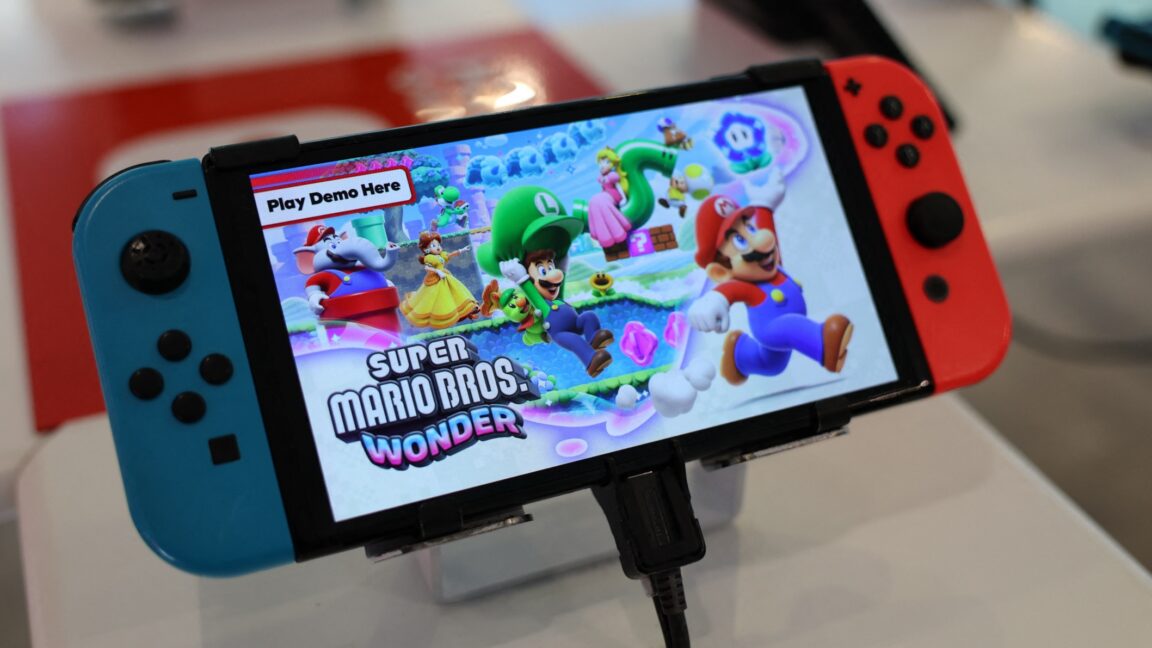
Nintendo is urging a judge to dismiss a lawsuit filed by customers seeking refunds for tariffs imposed on Nintendo Switch consoles. The company contends that consumers received exactly what they paid for and that the tariffs do not constitute grounds for a refund. Nintendo's legal team argues that the purchase price reflected the cost at the time of sale, including any applicable duties. The lawsuit, filed in a US court, claims that customers were not adequately informed about the potential impact of tariffs on the final price of the gaming console. Nintendo's filing asserts that the company fulfilled its contractual obligations by delivering the product as advertised and agreed upon. The company maintains that the legal framework does not support the plaintiffs' claim for reimbursement of tariff-related costs. Nintendo is seeking a swift resolution and the dismissal of the case, arguing it lacks legal merit. The outcome of this case could set a precedent for how consumer electronics companies handle tariff-related disputes with their customers.
This legal dispute highlights the complex interplay between consumer expectations, corporate pricing strategies, and geopolitical trade policies. Nintendo's defense centers on the principle that the sale price represented the agreed-upon value at the time of transaction, irrespective of subsequent external cost fluctuations like tariffs. The plaintiffs' argument, conversely, likely hinges on transparency and fair disclosure regarding potential price impacts driven by external factors. The court's decision will likely weigh the established legal doctrines of contract law and consumer protection against the practical realities of global supply chains and unpredictable trade environments. This case could influence how companies in the electronics sector communicate pricing and potential tariff impacts to consumers moving forward, potentially necessitating clearer disclosures to mitigate future litigation.
AI-generated to prompt reflection — not editorial opinion, not advice, not a statement of fact. How this works.