Nirmal Purja's Death: Broad Peak, the Karakoram Giant That Challenges Even Elite Climbers
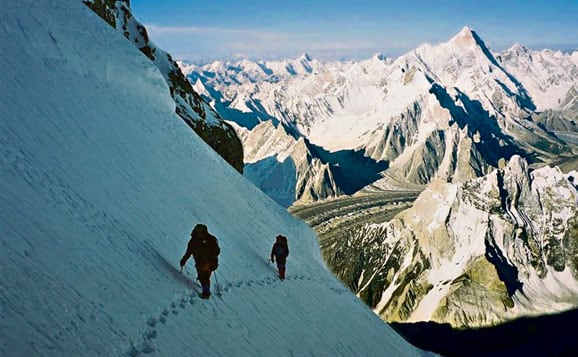
The death of Nirmal Purja on Broad Peak, the twelfth highest mountain in the world at 8,047 meters, highlights the extreme dangers of this Karakoram giant. Broad Peak is known for its severe challenges, including extreme altitude, unpredictable and rapidly changing weather conditions, and a history of fatal accidents. These factors combine to make it a formidable test for even the most experienced mountaineers. The mountain's formidable nature means that reaching its summit requires not only exceptional physical endurance but also a high degree of skill in navigating treacherous terrain and extreme weather. The history of fatalities on Broad Peak serves as a stark reminder of the inherent risks involved in high-altitude mountaineering. Despite the dangers, the allure of conquering such peaks continues to draw climbers from around the globe.
Broad Peak's reputation as a formidable challenge, even for elite climbers like Nirmal Purja, underscores the inherent risks in high-altitude mountaineering. The confluence of extreme altitude, volatile weather, and a history of fatalities points to systemic challenges in risk management within the sport. Future advancements in forecasting, equipment, and climber training may mitigate some risks, but the fundamental environmental factors will likely persist. The pursuit of extreme challenges on such peaks raises questions about the balance between human ambition and the unforgiving realities of nature, prompting consideration of evolving safety protocols and the psychological preparedness required for such endeavors in the coming decade.
AI-generated to prompt reflection — not editorial opinion, not advice, not a statement of fact. How this works.