NISAR Satellite Reveals Significant Ground Displacement in Venezuela After June 2026 Earthquakes
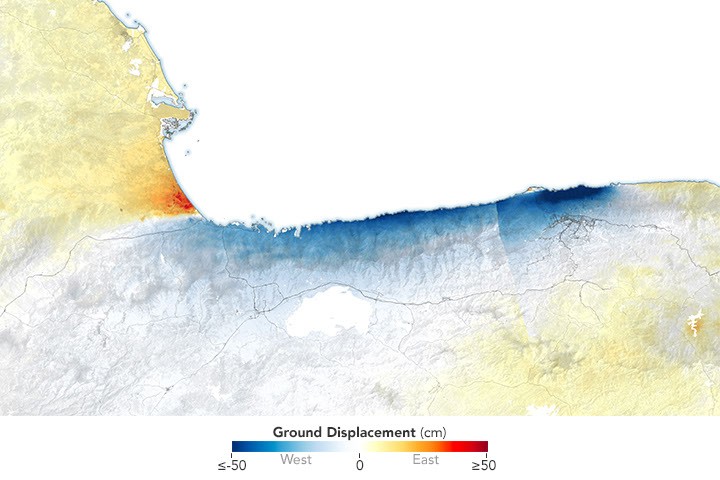
Radar data collected by the NISAR satellite has revealed substantial ground displacement in La Guaira, Venezuela, and surrounding regions following earthquakes that occurred in June 2026. The satellite's advanced imaging capabilities allowed scientists to precisely measure the shifts in the Earth's surface caused by the seismic activity. These findings provide crucial insights into the geological impact of the earthquakes, offering valuable data for seismic hazard assessment and infrastructure planning in the affected areas. The analysis of this displacement is essential for understanding the complex tectonic processes at play and for developing more resilient communities in earthquake-prone zones. The NISAR mission, a joint venture between NASA and ISRO, is designed to observe Earth's changing surface, including phenomena like earthquakes, volcanic activity, and ice sheet dynamics. This specific data from Venezuela highlights the satellite's effectiveness in monitoring and quantifying the physical consequences of natural disasters.
The NISAR satellite's detailed measurements of ground displacement following the June 2026 Venezuelan earthquakes offer a critical data point for understanding seismic event impacts. This objective, quantitative data can help refine geological models and improve early warning systems, moving beyond purely descriptive accounts of disaster. By precisely mapping these shifts, researchers can better assess the long-term stability of the affected terrain and the potential for future seismic activity. Such precise monitoring is vital for informing urban planning and infrastructure development, ensuring that future construction in seismically active zones accounts for the measurable ground deformation observed. This capability underscores the growing importance of advanced remote sensing in disaster management and geological research, providing actionable intelligence for risk reduction.
AI-generated to prompt reflection — not editorial opinion, not advice, not a statement of fact. How this works.