NKA Scandal: Former Minister Defends Cultural Support, Calls Arrests Excessive
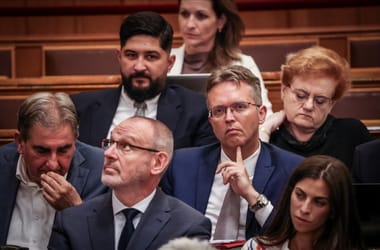
Former Minister of Culture Balázs Hankó has commented on the National Cultural Fund (NKA) scandal, stating that the sole objective was to support a culture that connects people. He believes that the arrest of decision-makers involved in the case is an excessive measure. Hankó's remarks suggest a defense of the NKA's mission and a critique of the punitive actions taken against those implicated. The former minister's perspective highlights a potential disconnect between the perceived intent of cultural funding and the legal ramifications faced by individuals involved. This situation raises questions about accountability within cultural institutions and the proportionality of responses to alleged mismanagement or corruption.
The former minister's assertion that the NKA's objective was solely to foster connective culture, while simultaneously deeming arrests excessive, presents a complex governance challenge. This perspective may indicate a divergence in understanding between institutional intent and legal scrutiny. The situation prompts consideration of the incentive structures within cultural funding bodies and the robustness of oversight mechanisms. Evaluating the NKA's operational framework against evolving standards for transparency and accountability in public institutions will be crucial. As AI continues to reshape information dissemination and cultural production, the governance of cultural funds requires careful examination to ensure alignment with public trust and future societal needs.
AI-generated to prompt reflection — not editorial opinion, not advice, not a statement of fact. How this works.