No Life Threat for Eight Charité Patients After CSD Attack; Four Discharged
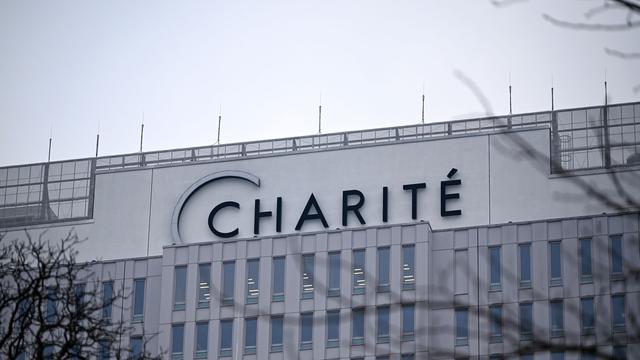
Eight patients treated at Berlin's Charité hospital are no longer in life-threatening danger following an attack involving CSD (chemical, biological, radiological, nuclear, and explosive) agents. Four of these patients have already been released from the hospital. The incident occurred at the Charité hospital, a prominent medical institution in Germany. Further details regarding the nature of the CSD agents used and the specific circumstances of the attack have not been disclosed. The hospital has confirmed the condition of the affected patients has improved significantly, allowing for the discharge of four individuals. The remaining four patients are still under observation but are reported to be out of critical condition. The response and treatment protocols for such an incident are being reviewed by hospital authorities.
This incident highlights the critical importance of robust safety protocols and rapid response capabilities within major healthcare facilities when confronting potential chemical, biological, radiological, nuclear, or explosive (CBRNE) threats. The swift stabilization and subsequent discharge of some patients suggest effective initial containment and medical intervention. Future preparedness may involve enhanced training for staff, improved detection systems, and strengthened coordination with emergency services to mitigate the impact of similar events. Understanding the specific vulnerabilities exploited, if any, will be crucial for refining security measures and ensuring public trust in healthcare infrastructure.
AI-generated to prompt reflection — not editorial opinion, not advice, not a statement of fact. How this works.