No Military Solution for Hormuz Strait Tensions, Analyst Says
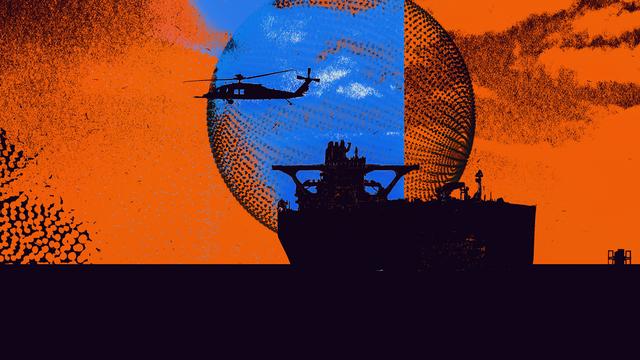
The United States and Iran are currently engaged in both conflict and negotiation, a situation that has become the new normal for the international community to adapt to. This dual approach highlights the complex geopolitical dynamics at play in the Strait of Hormuz. The ongoing tensions require a careful balancing act between diplomatic efforts and the potential for military escalation. The world must come to terms with this persistent state of affairs, which involves simultaneous engagement in hostile actions and peace talks. This situation underscores the intricate nature of international relations when dealing with strategic waterways and regional powers. The lack of a clear military solution suggests that diplomatic channels, however challenging, remain the primary avenue for de-escalation and resolution.
The current dynamic between the US and Iran in the Strait of Hormuz exemplifies a complex geopolitical strategy where overt conflict and covert diplomacy coexist. This approach, while seemingly contradictory, reflects a calculated effort to exert pressure while maintaining avenues for de-escalation. The absence of a purely military solution suggests that long-term stability hinges on navigating intricate incentive structures and managing regional power balances. Future resolutions will likely depend on the evolution of international norms regarding state-to-state interactions in contested maritime zones, particularly in the context of global energy security and the increasing influence of non-state actors. This situation prompts consideration of alternative conflict resolution mechanisms that move beyond traditional military deterrence.
AI-generated to prompt reflection — not editorial opinion, not advice, not a statement of fact. How this works.