No Rain in Sight: Understanding Low Water Levels and Drought
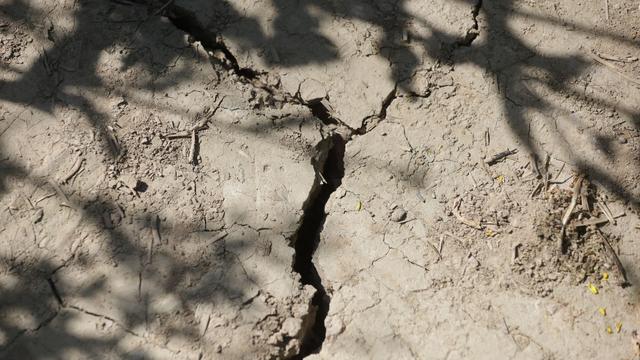
Germany is facing a prolonged period without significant rainfall, leading to critically low water levels across the country. This drought situation is impacting various sectors, including agriculture, shipping, and energy production. Farmers are struggling with crop failures due to the lack of moisture, potentially leading to increased food prices. The low water levels in rivers like the Rhine are hindering inland navigation, disrupting the transport of goods and raw materials. This has economic consequences, as many industries rely on these waterways for supply chains. Furthermore, the reduced water availability affects the cooling of power plants, potentially impacting energy supply. Authorities are monitoring the situation closely and advising the public on water conservation measures. The long-term outlook suggests that such drought periods may become more frequent due to climate change, necessitating adaptive strategies.
The persistent lack of precipitation in Germany highlights the increasing vulnerability of essential infrastructure and economic activities to climatic shifts. Low water levels in key waterways directly impede logistical networks and energy generation, revealing systemic dependencies that require robust adaptation strategies. As climate change intensifies, the recurrence of such drought conditions poses a significant challenge to national resource management and economic stability. Future planning must consider diversifying transportation routes, enhancing water conservation technologies, and potentially re-evaluating energy production methods that rely heavily on water resources. Addressing these interconnected vulnerabilities proactively will be crucial for maintaining resilience in the coming decade.
AI-generated to prompt reflection — not editorial opinion, not advice, not a statement of fact. How this works.