NOAA projects 81% chance of very strong El Niño, potentially one of the largest on record
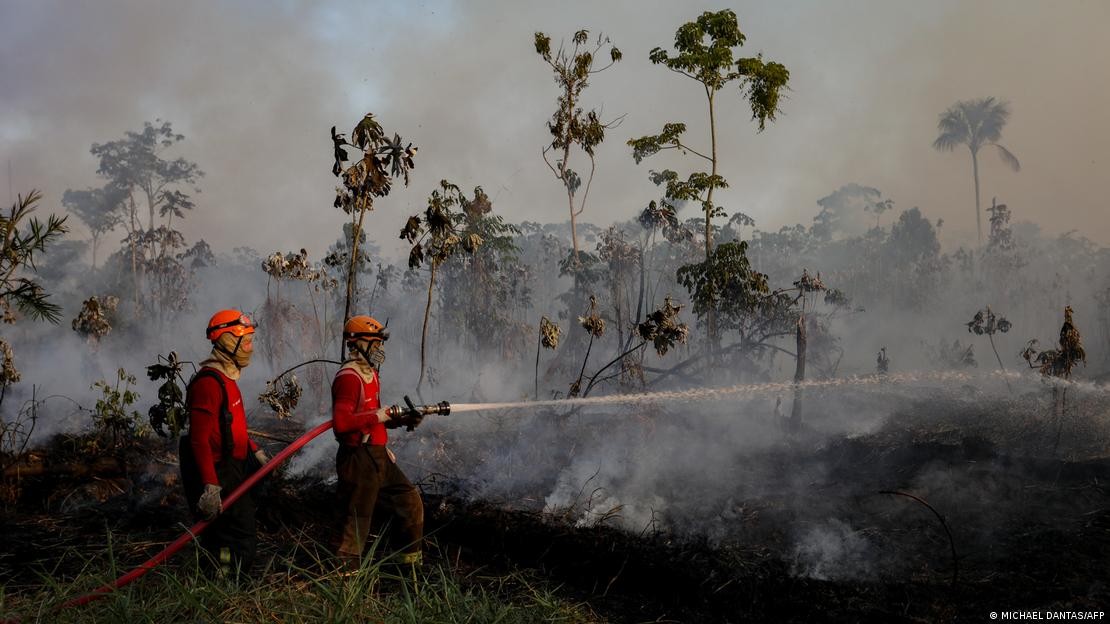
The U.S. National Oceanic and Atmospheric Administration (NOAA) has updated its El Niño projections, indicating an 81% probability of the phenomenon reaching "very strong" intensity between October and December. If this forecast materializes, the current El Niño event could rank among the most significant recorded since modern records began in 1950. This updated assessment reflects a notable shift from earlier forecasts in May, which acknowledged a high likelihood of El Niño formation but expressed uncertainty regarding its potential strength. The phenomenon is now established, with significant warming observed in the Pacific Ocean and a more pronounced interaction between the ocean and atmosphere, crucial for intense events. NOAA also predicts a 97% chance that El Niño will persist through the early spring of 2027 in the Northern Hemisphere (autumn in Brazil). El Niño is characterized by abnormal warming of surface waters in the equatorial Pacific Ocean, altering wind circulation and influencing global temperature and rainfall patterns. Recent measurements show large areas of the central and eastern Pacific exceeding average temperatures by over 1°C, with the key Niño-3.4 index at +1.2°C, a substantial increase from +0.4°C in May. This warming is further supported by accumulated heat below the water's surface, driven by a Kelvin wave. The strength of El Niño depends not only on ocean temperatures but also on the coupling between ocean and atmosphere, which has become more evident with observed changes in winds, rainfall patterns, and atmospheric circulation. While strong El Niño events can lead to extreme weather, their specific impacts vary globally. In Brazil, this typically means increased rainfall and extreme events in the South, and hotter, drier conditions in parts of the North and Northeast, exacerbating drought vulnerability. The interaction of El Niño with a warming planet also heightens the risk of record-breaking global temperatures, as seen in recent years.
The NOAA's updated El Niño forecast highlights the increasing intensity of natural climate phenomena in the context of anthropogenic climate change. The projection of a "very strong" El Niño, potentially one of the largest on record, underscores the amplified risks of extreme weather events globally. This intensification suggests that the Earth's climate system may be becoming more sensitive to these cycles, leading to more severe impacts. The confluence of a powerful El Niño with an already warming planet raises concerns about unprecedented heat records and regional climate disruptions, such as increased drought or flooding. Understanding these interactions is critical for developing adaptive strategies and infrastructure resilience over the next decade, particularly as AI-driven climate modeling becomes more sophisticated in predicting and mitigating such events. Policymakers and communities must consider how these amplified natural cycles interact with long-term warming trends to inform sustainable development and disaster preparedness.
AI-generated to prompt reflection — not editorial opinion, not advice, not a statement of fact. How this works.