Nobel Laureate Krugman: US Action Against Pix Aims to Punish Brazil's Success
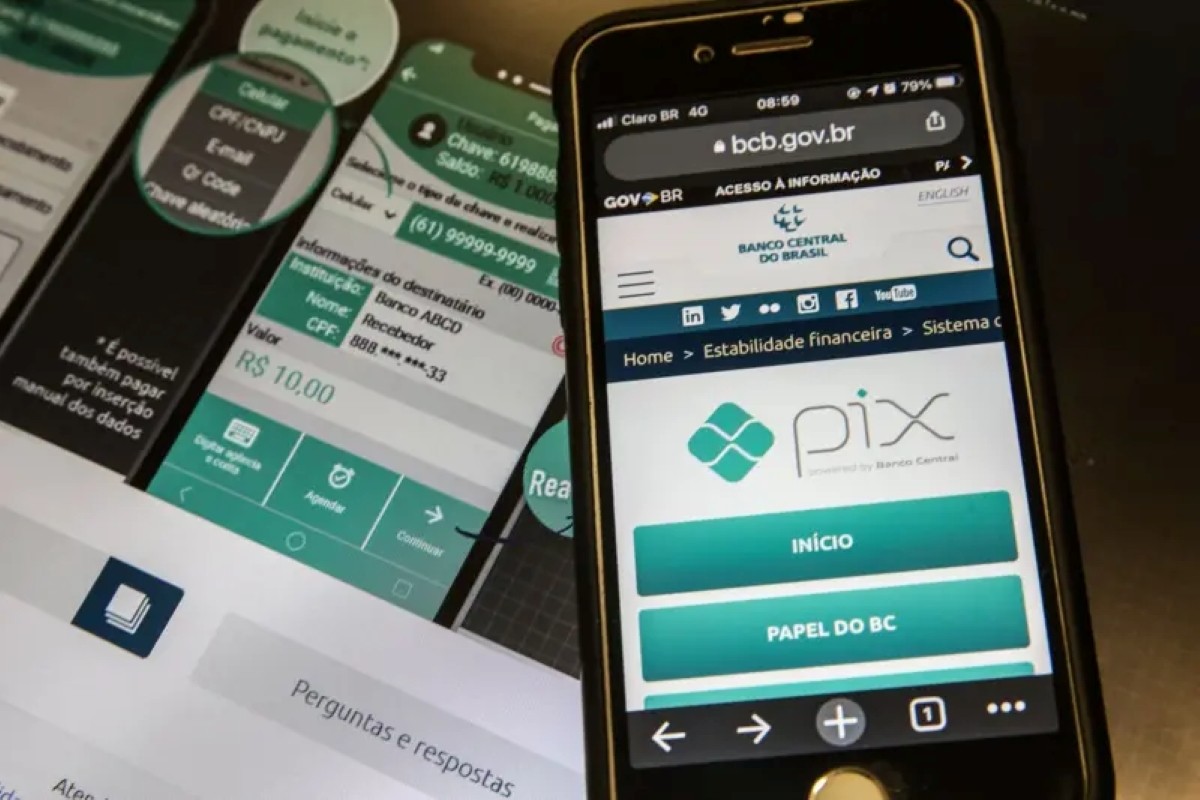
Nobel Prize-winning economist Paul Krugman has criticized the U.S. government's investigation into Brazil's instant payment system, Pix, arguing it's an attempt to penalize Brazil for the system's success. Krugman, who won the Nobel in Economics in 2008, stated in an article published on Monday, May 20th, that Pix has become a global benchmark for digital payments. He contends that the U.S. initiative, launched under the Trump administration based on Section 301 of the U.S. Trade Act, lacks economic justification. The U.S. government included Pix in an investigation concerning alleged unfair Brazilian trade practices. Pix, developed by the Central Bank of Brazil, facilitates instant money transfers and payments for individuals and businesses. Krugman argues that offering a cheaper and more efficient public payment system is not an unfair trade practice, questioning why a country providing a better method for its citizens to shop and pay bills would be considered so. He asserts that Pix has increased competition in the payment market by providing a low-cost alternative, reducing reliance on traditional methods and impacting companies like Visa and Mastercard. This, he believes, is a result of technological competition, not undue advantage. Krugman also uses the Brazilian case to advocate for public payment systems and central bank digital currencies, suggesting Pix's success demonstrates their potential for cheaper and more efficient electronic payments. He contrasts this with the U.S. lagging in this area due to political resistance and lobbying from cryptocurrency markets. Krugman further compares Brazil's Pix to El Salvador's experience with Bitcoin, noting Pix's widespread adoption while El Salvador's attempt to make Bitcoin a mass payment method failed. He anticipates that proposed U.S. tariffs will have limited impact, potentially raising prices for American consumers of Brazilian goods like coffee and beef, while Brazil may expand its presence in other markets. Citing economist Monica de Bolle, Krugman suggests U.S. tariffs have strengthened Brazil's international trade position, transforming it into an export powerhouse, particularly in soybeans to China. He concludes by broadly criticizing the Trump administration's economic policies, stating they have "declared war on the future."
The U.S. investigation into Brazil's Pix system, as framed by Nobel laureate Paul Krugman, appears to highlight a tension between national innovation in public financial infrastructure and established private payment networks. Krugman's perspective suggests that the U.S. action may stem from a desire to protect incumbent market players from a more efficient, publicly provided alternative, rather than from genuine concerns about unfair trade practices. This situation raises questions about how global trade frameworks accommodate the development of public digital services that disrupt existing private sector dominance. The long-term implications could involve a re-evaluation of how national digital payment strategies are perceived internationally, potentially influencing future technological competition and market access in the evolving digital economy.
AI-generated to prompt reflection — not editorial opinion, not advice, not a statement of fact. How this works.