Nobel Laureate Mukwege Accuses Congolese President of Leading DRC Towards Balkanization
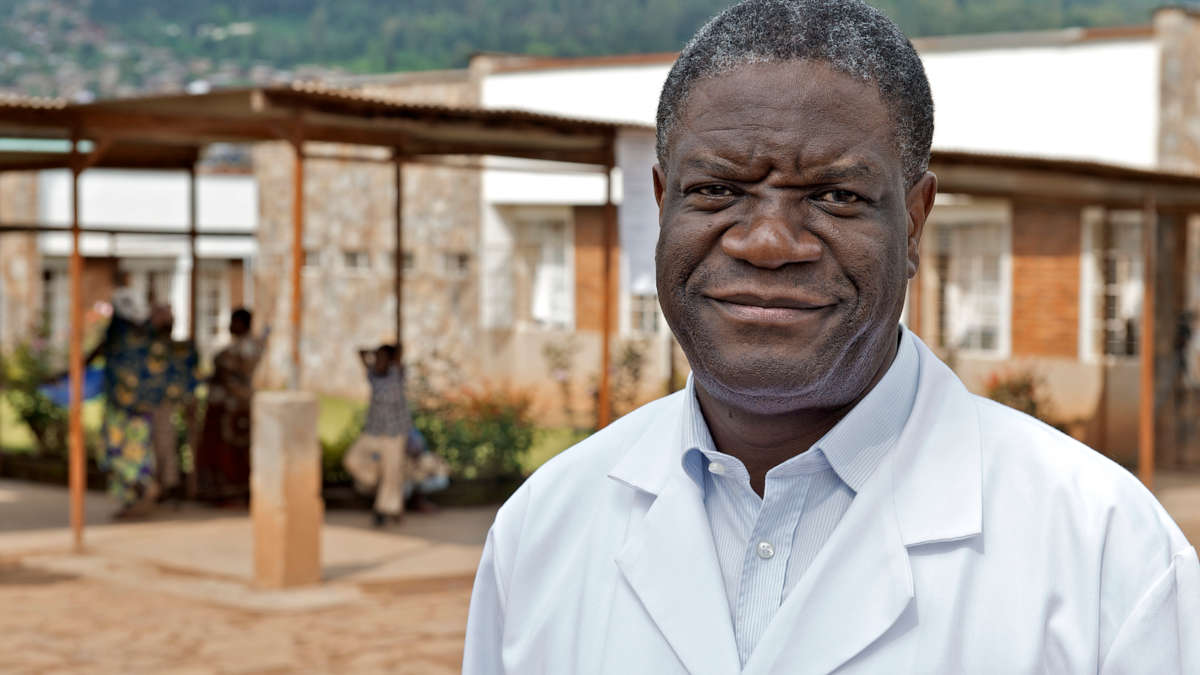
Nobel Peace Prize winner Denis Mukwege has expressed grave concerns regarding the state of the Democratic Republic of Congo (DRC) in an open letter to President Félix Tshisekedi. Published on June 30, 2026, the 66th anniversary of Congo's independence, Mukwege, a renowned gynecologist and human rights advocate, stated that the national holiday was marked by a lack of celebration. He accuses President Tshisekedi of steering the DRC towards "balkanization." Mukwege's letter details his denunciation of the current situation, implying a significant deterioration of the nation's integrity and stability under the current leadership. The Nobel laureate's public statement highlights deep-seated anxieties about the country's future and its potential fragmentation. This accusation from a prominent international figure underscores the critical challenges facing the DRC.
The accusation of "balkanization" leveled against President Tshisekedi by Nobel laureate Denis Mukwege points to systemic governance challenges within the DRC. Such allegations, particularly on a national anniversary, suggest deep societal divisions and potential failures in national cohesion and territorial integrity. The framing of the situation as a lack of celebration on independence day, coupled with the "balkanization" charge, indicates a perceived erosion of national identity and state authority. This situation warrants examination of the underlying political, economic, and security dynamics that might be contributing to such fragmentation, considering the long-term implications for regional stability and the well-being of the Congolese population in the coming decade.
AI-generated to prompt reflection — not editorial opinion, not advice, not a statement of fact. How this works.