Nobel Laureates Warn of AI-Driven Job Losses, Urge Action
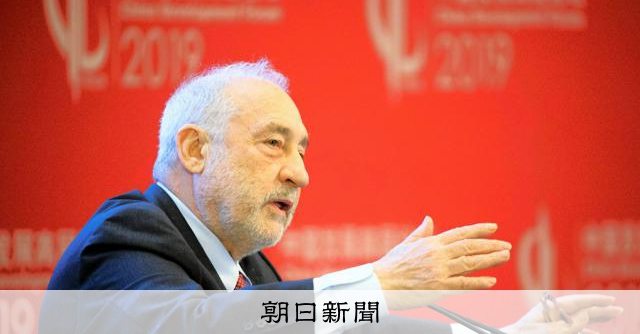
A group of Nobel laureates in economics has issued a joint statement warning of significant job displacement due to advancements in artificial intelligence. The scholars are urging governments and international bodies to proactively develop strategies to mitigate the potential negative impacts on the global workforce. They emphasize that the rapid development of AI technologies could automate a wide range of tasks currently performed by humans, leading to widespread unemployment across various sectors. The statement calls for immediate attention to this emerging challenge, highlighting the need for comprehensive policy responses. These responses should focus on retraining programs, social safety nets, and potentially new economic models to support individuals affected by automation. The laureates believe that without timely and effective interventions, the societal and economic consequences could be severe. They are advocating for a global dialogue to share best practices and coordinate efforts in addressing this transformative technological shift. The specific number of jobs at risk or the timeline for these changes was not detailed, but the urgency of the message underscores the perceived scale of the impending disruption.
AI's accelerating capabilities present a complex challenge to existing labor markets, necessitating a forward-looking approach to economic policy. While automation has historically led to job shifts rather than mass unemployment, the pervasive nature of AI across diverse cognitive tasks may represent a structural break. Policymakers face the dual imperative of fostering innovation to harness AI's productivity gains while simultaneously designing robust social and educational frameworks to support workforce adaptation. The key lies in anticipating future skill demands and investing in lifelong learning infrastructure, rather than solely reacting to displacement. This situation invites consideration of novel economic paradigms that decouple income from traditional employment, ensuring broad societal benefit from technological progress.
AI-generated to prompt reflection — not editorial opinion, not advice, not a statement of fact. How this works.