Non-canonical Gene Amplifications Drive Adaptive Evolution in Bacteria
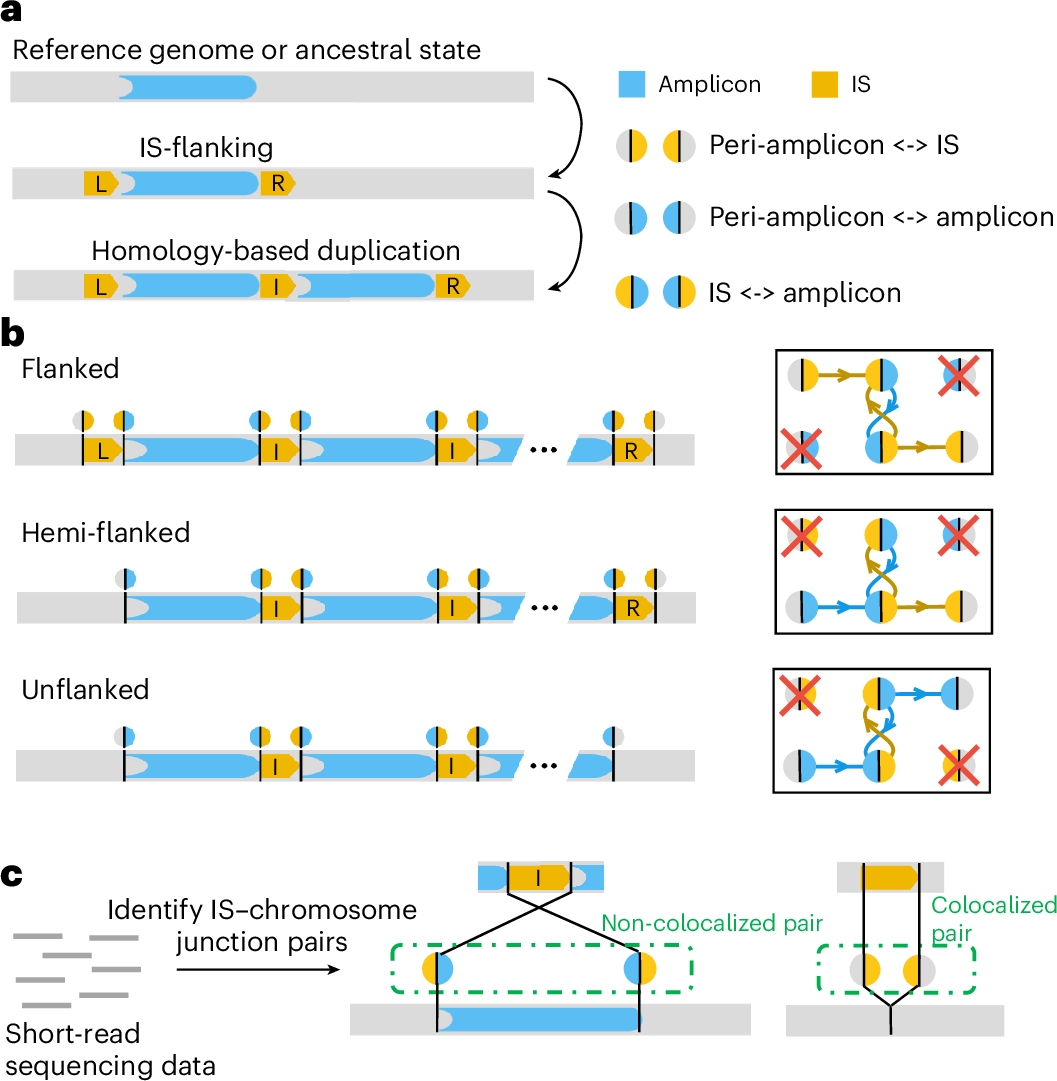
Researchers have identified a novel mechanism by which bacteria adapt and evolve, termed non-canonical gene amplifications. This process allows bacteria to rapidly acquire new traits that enhance their survival and fitness in changing environments. Unlike traditional gene amplification, which involves copying entire genes, non-canonical amplifications involve segments of DNA that do not align with standard gene structures. These amplifications can lead to increased production of specific proteins, conferring advantages such as antibiotic resistance or improved metabolic capabilities. The study highlights the plasticity of bacterial genomes and their capacity for swift evolutionary responses. Understanding this mechanism is crucial for developing new strategies to combat bacterial infections and manage microbial populations. This discovery expands our knowledge of the evolutionary toolkit available to microorganisms.
This research sheds light on a previously unrecognized pathway for bacterial adaptation, suggesting that microbial evolution may be more dynamic and versatile than previously understood. The identification of non-canonical gene amplifications points to inherent system redundancies and emergent properties within bacterial genomes that can be leveraged for rapid phenotypic change. From a public health perspective, understanding these adaptive mechanisms is critical for predicting and mitigating the spread of antibiotic resistance and other microbial threats. Future research could explore the frequency and specific environmental triggers for these amplifications, as well as their potential implications for synthetic biology and the engineering of microbial systems for beneficial purposes. The long-term impact of such genomic plasticity on bacterial ecosystems and host-pathogen interactions warrants further investigation.
AI-generated to prompt reflection — not editorial opinion, not advice, not a statement of fact. How this works.