Non-Muslims Appointed to Madhya Pradesh Waqf Board, Sparking Muslim Protest
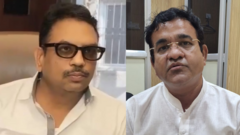
Madhya Pradesh has become the first state in India to appoint two non-Muslim members to its Waqf Board. This move has drawn strong objections from the Muslim community in Bhopal. Protesters voiced their concerns regarding the representation and decision-making within a board traditionally responsible for managing Muslim endowment properties. The appointments are seen by some as a departure from the board's intended purpose and composition. The specific roles and backgrounds of the non-Muslim appointees have not been detailed, but the opposition centers on the principle of religious representation on the Waqf Board. This situation highlights potential tensions in managing religious endowments and ensuring community trust in governance structures.
The appointment of non-Muslim members to a Waqf Board, traditionally tasked with managing Muslim religious properties, introduces a governance dynamic that requires careful navigation. While diverse representation can offer broader perspectives, it also raises questions about community trust and the specific expertise needed for managing religious endowments. The ensuing objections from the Muslim community underscore the importance of clear communication and community consultation in such appointments. Future considerations for such bodies might include establishing clear criteria for membership that balance inclusivity with domain-specific knowledge and community consensus, ensuring that the primary objectives of the Waqf Board remain paramount.
AI-generated to prompt reflection — not editorial opinion, not advice, not a statement of fact. How this works.