Norfolk Island's unique corals face extinction from disease, El Niño, and dredging
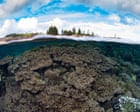
Unique coral species surrounding Norfolk Island, many of which may be scientifically undescribed, are facing a severe threat of extinction. Researchers are concerned that a combination of factors could lead to their disappearance. These threats include a prevalent coral disease, the impact of the El Niño weather pattern, and a new federal government plan to dredge a nearby shipping channel. The dredging project is particularly worrying as it could exacerbate existing problems. Sediment and pollution runoff from cattle farming, land clearing, and wastewater discharge have already contributed to widespread coral disease and algal outbreaks in the island's bays. The introduction of further sediment from dredging operations could critically endanger these fragile ecosystems. The potential loss of these corals represents a significant ecological concern for the region.
The confluence of disease, climate patterns, and human infrastructure development presents a critical challenge to Norfolk Island's unique coral ecosystems. The approval of dredging, despite existing environmental pressures from agricultural runoff and wastewater, suggests a potential disconnect between development goals and ecological preservation strategies. Future policy decisions regarding coastal development and resource management will need to integrate robust environmental impact assessments and adaptive strategies to mitigate cumulative stressors on sensitive marine environments. The long-term viability of these coral communities hinges on a comprehensive approach that addresses both direct anthropogenic impacts and broader climatic shifts, ensuring that economic activities do not irrevocably damage irreplaceable natural heritage.
AI-generated to prompt reflection — not editorial opinion, not advice, not a statement of fact. How this works.