North Africa Battles Severe Wildfires Amid Heatwave and Drought
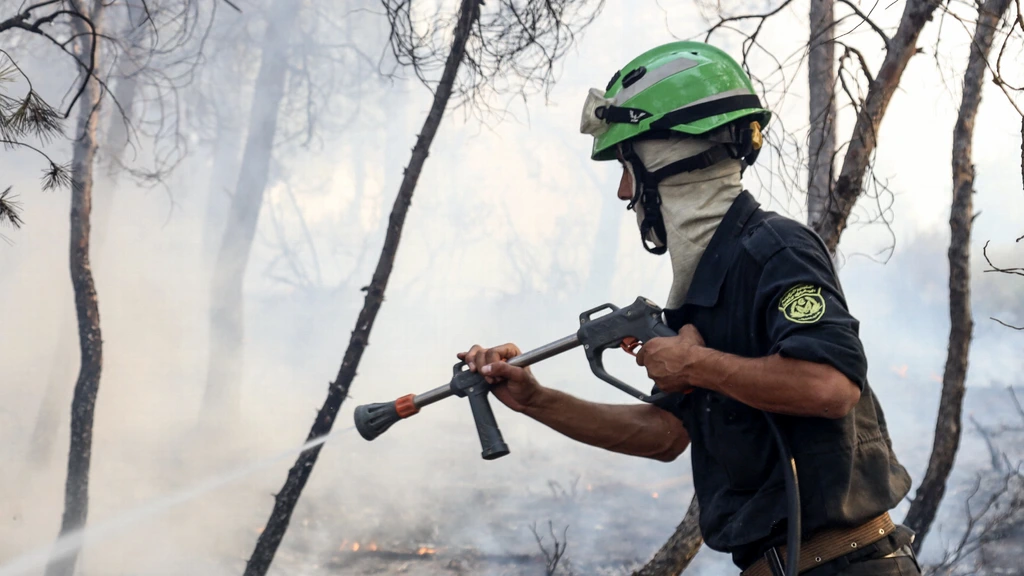
The Maghreb region, encompassing Algeria, Morocco, and Tunisia, is grappling with significant wildfires exacerbated by extreme heat and prolonged drought. Algeria has reported six fatalities due to the blazes, necessitating the evacuation of several villages and a hospital. The province of Skikda remains particularly critical. In Tunisia, approximately 4,400 hectares of forest have been lost since May 1, a substantial increase from the 2,705 hectares lost during the same period last year. Morocco experienced less extensive fires but still required emergency response in several regions, impacting agricultural lands, olive groves, orchards, and pastures. The economic toll on the agricultural sector and tourism, with popular natural areas temporarily closed, is considerable. Greenpeace MENA highlights these fires as a consequence of climate change, warning of further pressure on food security, agriculture, and biodiversity, and calls for enhanced preventive measures and early warning systems. While Algeria deploys thousands of personnel and a fleet of firefighting aircraft, and Morocco utilizes Canadair planes and invests in drone and satellite detection, Tunisia's capacity is limited, receiving aid from Algeria and Italy. Unlike the EU, North Africa lacks a formal mutual aid system for large-scale firefighting resources, a deficiency underscored by a 2021 diplomatic dispute between Morocco and Algeria over firefighting aircraft.
The confluence of extreme heat, drought, and wildfires in North Africa underscores the escalating vulnerability of the Mediterranean region to climate change impacts. The fires' effects extend beyond immediate ecological damage, posing significant threats to regional food security, agricultural livelihoods, and tourism-dependent economies. The limited cross-border cooperation in disaster response, contrasted with the more integrated approach within the European Union, reveals systemic gaps in regional resilience planning. Future investments in early detection technologies like drones and satellite imagery, alongside robust community warning systems, are crucial. Addressing the root cause through climate change mitigation remains paramount, as current adaptation strategies appear insufficient to counter the intensifying environmental pressures.
AI-generated to prompt reflection — not editorial opinion, not advice, not a statement of fact. How this works.