North-Central America World Cup Shatters Records, But Profit Motives and Trump's Influence Draw Criticism
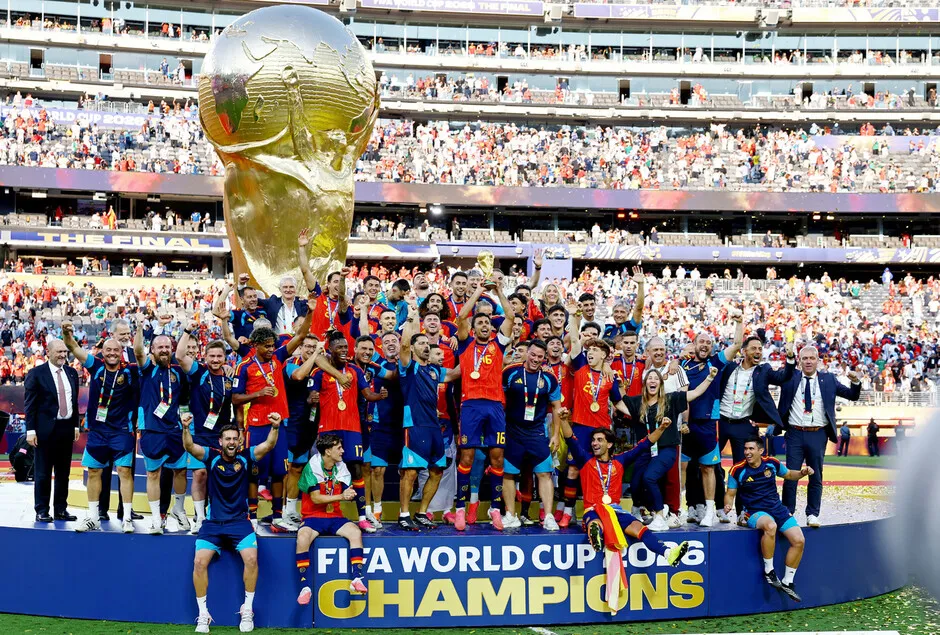
The recent North-Central American World Cup has achieved unprecedented box office success, marking it as the highest-grossing tournament in history. This financial triumph, however, has not been without controversy. Concerns are being raised regarding the overt focus on profit generation and the perceived influence of former U.S. President Donald Trump on the event's proceedings. While the economic performance is lauded, critics are pointing to these aspects as detracting from the spirit of the sport. The tournament's commercial success highlights a growing trend of major sporting events prioritizing revenue streams. Simultaneously, discussions surrounding political interference in international sports continue to be a point of contention. The dual nature of the event's reception—celebrated for its financial achievements yet scrutinized for its underlying motivations and external pressures—underscores the complex relationship between sports, commerce, and politics in the modern era.
The record-breaking financial success of the North-Central American World Cup demonstrates a powerful market appetite for global sporting spectacles, aligning with broader trends of commercialization in major athletic events. However, the reported emphasis on profit motives and external political influence, particularly from figures like Donald Trump, suggests a potential tension between maximizing revenue and maintaining the integrity and fan-centric appeal of the sport. Future governance of such events may need to balance robust economic strategies with mechanisms that safeguard against undue commercialization and political interference, ensuring that the core values of athletic competition remain paramount. This dynamic raises questions about the long-term sustainability of fan engagement when financial and political considerations appear to overshadow the sporting experience, particularly in an era where transparency and ethical governance are increasingly demanded by global audiences.
AI-generated to prompt reflection — not editorial opinion, not advice, not a statement of fact. How this works.