North Korea's Economic Shift: Kim Jong Un's Strategy Amidst Global Changes
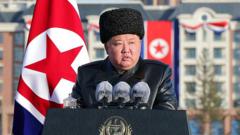
North Korea's economic situation has reportedly seen a significant improvement, attributed to a strategic shift by leader Kim Jong Un. This turnaround is largely credited to the country's strengthening alliance with Russia and broader changes in the international geopolitical landscape. These developments have apparently eased the economic pressure previously exerted on the Pyongyang regime. The improved economic conditions have led to a "miraculous transformation," according to the source. However, questions remain about the sustainability of this newfound economic stability. The article implies that the current positive trajectory might be fragile and dependent on ongoing international dynamics. Further analysis is needed to determine if these economic gains can be maintained in the long term.
The reported economic improvements in North Korea appear to be closely linked to its evolving foreign policy, particularly the deepening ties with Russia. This suggests that external geopolitical alignments are a primary driver of Pyongyang's economic resilience, rather than solely internal policy shifts. The sustainability of these gains will likely depend on the continued viability of these international partnerships and the broader global economic climate. As the world navigates an era of shifting alliances and potential economic fragmentation, North Korea's strategy highlights the significant leverage that strategic international positioning can offer to states facing economic sanctions. Future developments will be crucial in assessing whether this approach represents a durable economic model or a temporary mitigation of external pressures.
AI-generated to prompt reflection — not editorial opinion, not advice, not a statement of fact. How this works.