North Korea's Nuclear Status is Irreversible, Says Kim Yo Jong
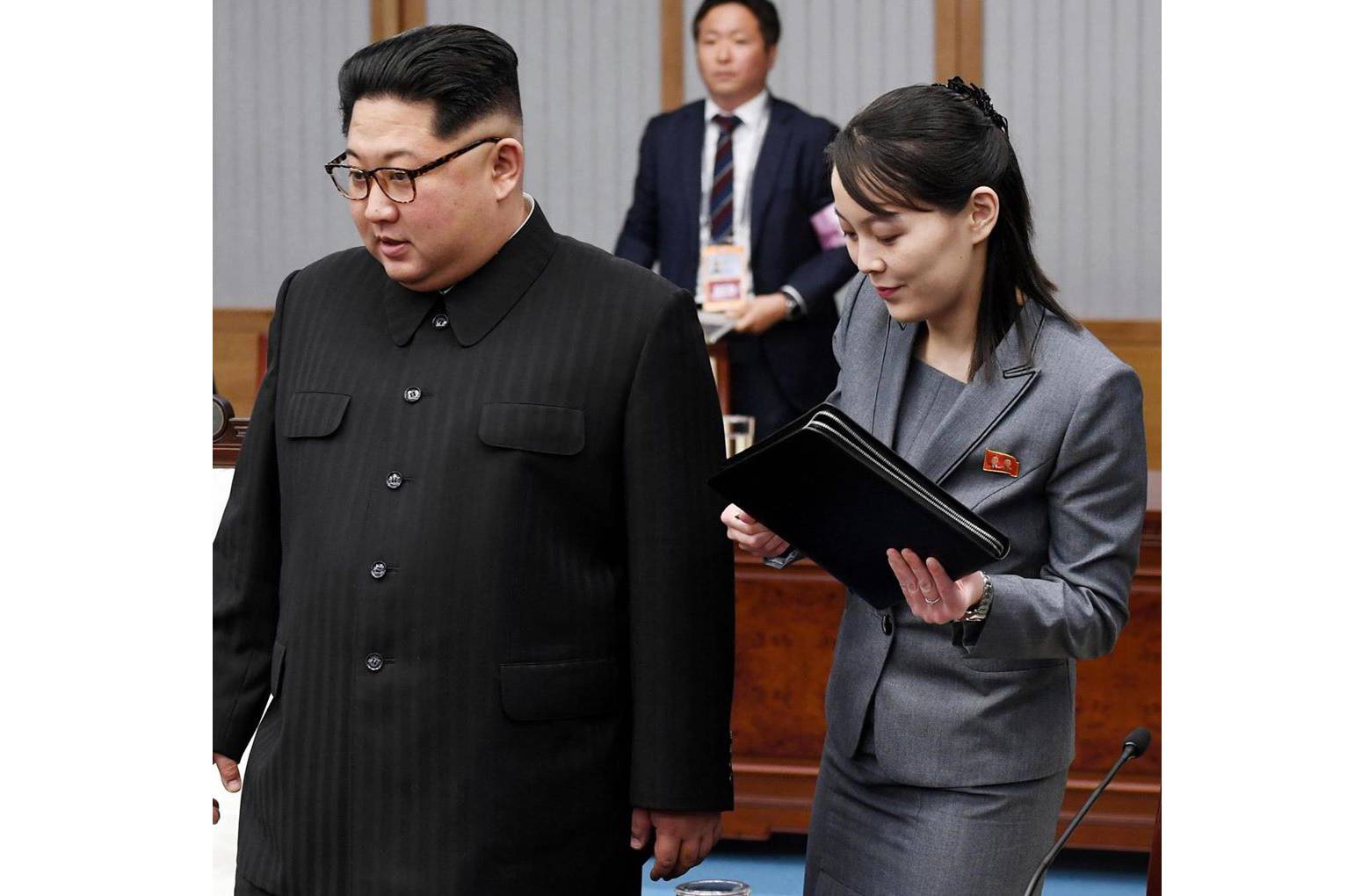
Kim Yo Jong, the influential sister of North Korean leader Kim Jong Un, has declared that the Democratic People's Republic of Korea's (DPRK) nuclear status is irreversible. This statement underscores the regime's firm commitment to its nuclear weapons program. The declaration comes amidst ongoing international scrutiny and sanctions related to North Korea's military advancements. Kim Yo Jong's pronouncements often reflect the official stance of the North Korean leadership. The assertion of irreversibility signals Pyongyang's intent to continue developing and maintaining its nuclear capabilities without compromise. This position is likely to further complicate diplomatic efforts aimed at denuclearization on the Korean Peninsula. The international community has consistently called for North Korea to abandon its nuclear arsenal, citing threats to regional and global security. However, the DPRK has repeatedly demonstrated its resolve to pursue nuclear weapons as a deterrent and a cornerstone of its national defense strategy. The unwavering stance highlights the persistent challenges in achieving lasting peace and stability in Northeast Asia.
The declaration of North Korea's nuclear status as irreversible signifies a strategic posture rooted in perceived security imperatives and a desire for international recognition as a nuclear power. This stance, while framed as a defensive measure, presents a significant challenge to global non-proliferation regimes and raises concerns about escalating regional tensions. From a systemic perspective, the DPRK's nuclear program can be viewed as a response to historical geopolitical pressures and a means to ensure regime survival in a complex international environment. The long-term implications involve a potential arms race dynamic, increased risk of miscalculation, and the ongoing difficulty of diplomatic resolution. Future policy considerations may need to explore alternative frameworks that acknowledge security realities while pursuing verifiable denuclearization pathways, potentially through multilateral engagement that addresses the underlying security grievances.
AI-generated to prompt reflection — not editorial opinion, not advice, not a statement of fact. How this works.