North Korea Warns of New Military Options Against Japan After Missile Test
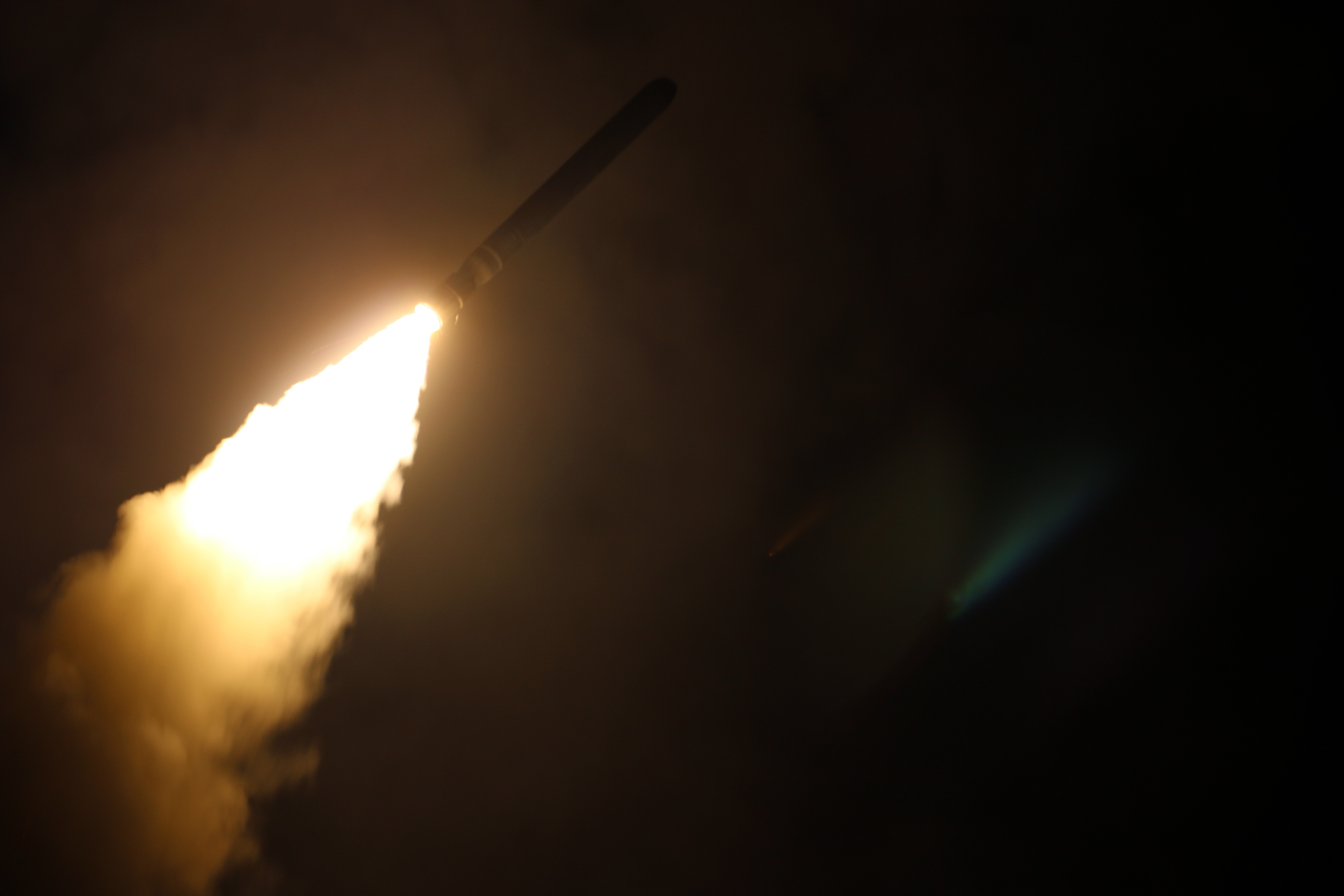
North Korea has declared it will pursue "new military choices" against Japan, citing perceived threats from Tokyo. Kim Yo-jong, sister of leader Kim Jong-un, made the statement following Japan's test of a Tomahawk cruise missile. This test marked Japan's first with this type of missile, conducted by the Maritime Self-Defense Force destroyer Chokai in the Pacific Ocean.
Kim Yo-jong also referenced other missile tests by Tokyo and Japan's participation in a US-led military exercise in the Philippines in May. She accused Japan of attempting to conceal its "ambition to become a military power" and alleged that the United States is orchestrating these "dangerous military movements." While not specifying the exact measures, she indicated that North Korea would "establish additional military options" in response to Japanese military activities.
The Tomahawk cruise missile, developed in the US and in service since the 1980s, has a range of approximately 1,600 kilometers. It flies low to the ground, making it harder to detect, and is primarily launched from US ships and submarines. Japan plans to invest $1 billion to acquire 400 Tomahawk units by March 2028.
This exchange highlights the escalating security concerns and strategic posturing in Northeast Asia. North Korea's response, framed as a reaction to Japanese missile tests and US-led exercises, reflects its ongoing strategy of leveraging perceived external threats to justify its own military development and maintain domestic legitimacy. Japan's acquisition of Tomahawk missiles, presented as a defensive measure and a response to regional instability, signifies its evolving defense posture and potential shift away from its post-war pacifist principles. The situation underscores the complex interplay of national security interests, historical grievances, and the influence of major global powers in shaping regional military dynamics, suggesting a period of heightened tension and potential miscalculation.
AI-generated to prompt reflection — not editorial opinion, not advice, not a statement of fact. How this works.
