North Korean POWs create diplomatic challenge for South Korea amid Ukraine arms talks
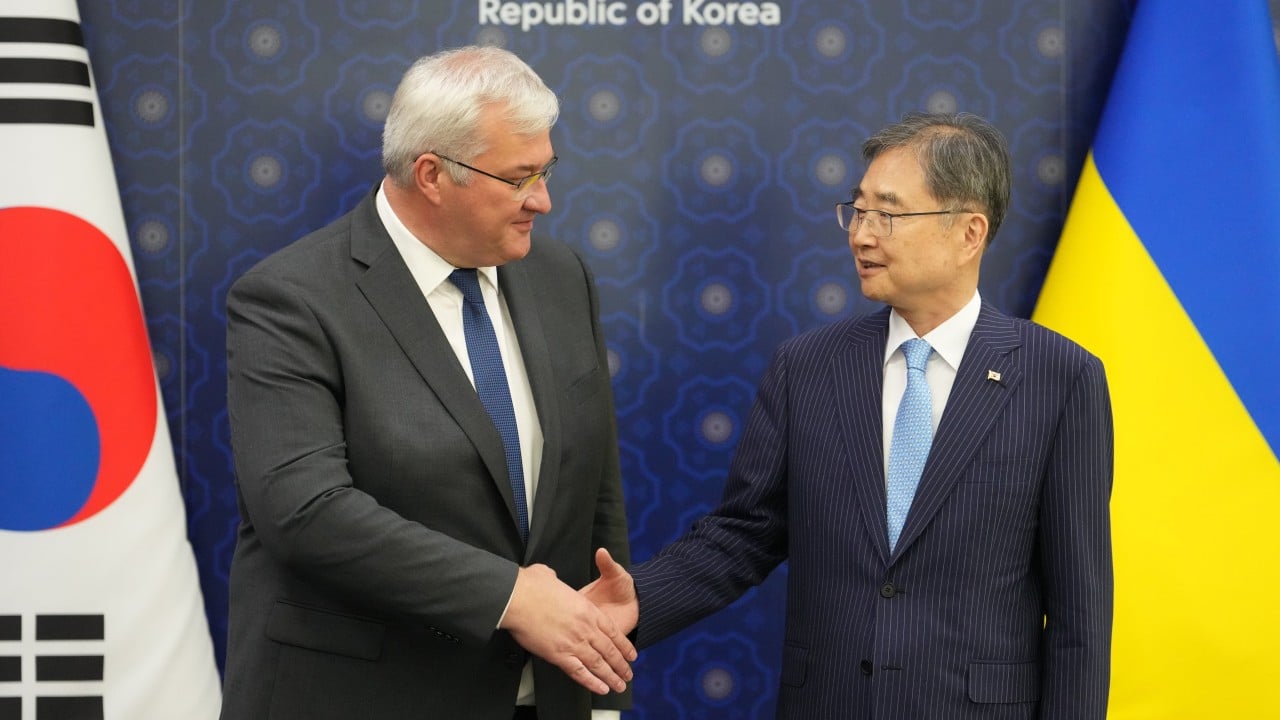
Ukraine is reportedly using two North Korean prisoners of war, who wish to relocate to South Korea, as leverage in its efforts to persuade Seoul to supply weapons for its conflict with Russia. These soldiers were captured in early 2025 after being deployed to Kursk to support Russia's military operations. According to South Korea's constitution, which asserts sovereignty over the entire Korean peninsula, these individuals are considered South Korean nationals. South Korea has indicated its willingness to accept them, but the unresolved status of their relocation has created a diplomatic quandary for Kyiv. This situation presents Ukraine with a unique opportunity to press its case for military aid from South Korea, a nation historically hesitant to provide direct lethal assistance to active conflict zones. The decision regarding the POWs' fate is now intertwined with broader geopolitical considerations and Ukraine's urgent need for armaments.
The situation involving the North Korean prisoners of war highlights the complex interplay between humanitarian concerns, national identity, and geopolitical strategy. Ukraine's potential use of these individuals as leverage in arms negotiations with South Korea underscores the strategic calculations inherent in international relations during wartime. This scenario presents a test of South Korea's commitment to its constitutional definition of its territory and nationals against the backdrop of its security interests and evolving global alliances. The situation prompts consideration of the ethical implications of using individuals in such a manner, while also examining the systemic pressures that compel nations to seek military support and the diplomatic tools they employ to secure it. The long-term implications for inter-Korean relations and regional stability remain to be seen as this delicate diplomatic situation unfolds.
AI-generated to prompt reflection — not editorial opinion, not advice, not a statement of fact. How this works.