North Koreans Once Idolized Kim Jong-un, But K-Pop's Influence Grew
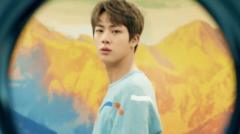
Defectors have revealed to the BBC that K-pop has managed to infiltrate North Korea's oppressive regime, despite significant restrictions. Previously, Kim Jong-un was the sole idol for North Koreans. However, the pervasive influence of South Korean popular culture, particularly music and dramas, has begun to shift this dynamic. The access to K-pop, even through smuggled USB drives and memory cards, has exposed many citizens to different lifestyles and ideas. This cultural penetration is happening despite the government's stringent efforts to control information and maintain ideological purity. The regime has historically enforced strict censorship and punishment for consuming foreign media. The spread of K-pop signifies a growing challenge to the state's absolute control over its citizens' perceptions and desires. The phenomenon highlights the resilience of cultural exchange and the potential for external influences to foster dissent or at least a desire for change within closed societies.
The infiltration of K-pop into North Korea, as reported by defectors, illustrates the potent, often unpredictable, reach of cultural soft power in the digital age. Despite a totalitarian state's efforts to curate information and maintain ideological control, the desire for alternative narratives and entertainment can create vulnerabilities. This phenomenon prompts consideration of how information control systems are challenged by decentralized media dissemination, even in highly restrictive environments. The long-term implications may involve shifts in societal aspirations and a growing internal pressure for greater openness, as citizens gain exposure to global trends and values, potentially creating a generational divide in perceptions of leadership and societal norms.
AI-generated to prompt reflection — not editorial opinion, not advice, not a statement of fact. How this works.