North Macedonia Parliament Descends into Chaos Amidst Ethical Code Debate
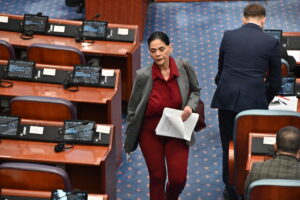
Lawmakers in North Macedonia's Parliament failed to address the ethical code, transforming the assembly into a venue for insults and procedural disruptions. Opposition MPs from the Albanian bloc utilized procedural remarks to prevent a vote on the law concerning equitable representation, thereby halting discussions on the final budget account. Concurrently, the opposition from the Macedonian bloc also raised procedural points, emphasizing the necessity of ceasing insults directed at and exchanged between parliamentarians. This situation underscores a breakdown in parliamentary decorum and a focus on obstruction rather than substantive legislative work. The ongoing disputes suggest significant challenges in fostering constructive dialogue and maintaining respect within the legislative body. The inability to pass key legislation and address ethical standards points to deeper political divisions. The parliament's functioning is severely hampered by these internal conflicts, impacting its ability to serve the public interest effectively. The repeated use of procedural tactics to derail proceedings highlights a strategic approach to legislative obstruction.
The parliamentary gridlock in North Macedonia, characterized by procedural obstruction and personal insults, reflects a systemic challenge in legislative governance. This behavior prioritizes political maneuvering over substantive policy-making, potentially undermining public trust and the efficacy of democratic institutions. The incentive structures within the political system may be rewarding obstructionist tactics, creating a feedback loop that normalizes such conduct. Looking ahead, the increasing reliance on these tactics could further erode the capacity of the parliament to address critical national issues, including equitable representation and fiscal responsibility. A potential long-term consequence is the weakening of democratic norms and the alienation of citizens who expect their representatives to engage in constructive dialogue and problem-solving.
AI-generated to prompt reflection — not editorial opinion, not advice, not a statement of fact. How this works.