North Macedonia's PM Rejects Unconditional Constitutional Amendments
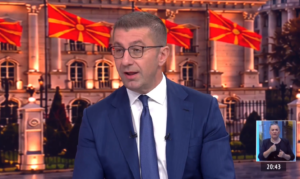
North Macedonia's Prime Minister Hristijan Mickoski stated today from Ohrid that the government will not accept unconditional constitutional amendments, drawing a contrast with the previous administration's approach. He emphasized that the current government is not prepared for "capitulation." Mickoski asserted that citizens are weary of national concessions made without guarantees for achieving the ultimate goal and are tired of unfulfilled promises. He indicated that proposing constitutional changes and accepting them without clear assurances for the final objective is not a path he is willing to take. The Prime Minister suggested that such actions would represent a significant national concession. He implied that the public's trust has been eroded by past experiences with unfulfilled political commitments. Mickoski's remarks signal a firm stance against adopting changes that do not secure the nation's interests. The government appears to prioritize verifiable outcomes over symbolic gestures or agreements lacking concrete benefits.
The Prime Minister's stance on constitutional amendments reflects a strategic recalibration of national negotiation tactics, emphasizing a demand for concrete guarantees and demonstrable progress before agreeing to significant concessions. This approach aims to address public fatigue with perceived unfulfilled promises and national sacrifices, seeking to rebuild trust by prioritizing tangible outcomes over process. From a systemic perspective, this highlights a tension between the imperative for state modernization and integration, which often requires constitutional adjustments, and the domestic political necessity of demonstrating national sovereignty and achieving clear benefits for the electorate. The challenge lies in balancing these competing demands to foster sustainable progress without alienating the populace or jeopardizing strategic objectives in the long term.
AI-generated to prompt reflection — not editorial opinion, not advice, not a statement of fact. How this works.