North Rhine-Westphalia Inflation Rate Rises to 2.7 Percent
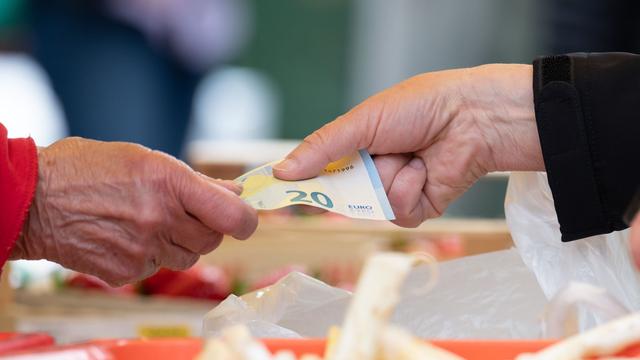
The inflation rate in North Rhine-Westphalia (NRW), Germany, has increased to 2.7 percent. This figure represents the rise in consumer prices within the state. The data indicates a growing trend in the cost of goods and services experienced by residents. Further details on the specific components driving this increase, such as energy, food, or housing costs, were not provided in the initial report. This rise in inflation could impact household budgets and consumer spending patterns across NRW. The statistical office responsible for releasing this data has indicated that it reflects the current economic conditions within the region. This development is being closely monitored by economic analysts and policymakers.
The reported increase in NRW's inflation rate to 2.7 percent highlights ongoing price pressures within the German economy. This trend, if sustained, could challenge the purchasing power of consumers and influence monetary policy decisions by the European Central Bank. Understanding the specific drivers of this inflation, whether supply-chain disruptions, energy costs, or demand-side factors, will be crucial for policymakers aiming to stabilize prices. The long-term implications may involve shifts in consumer behavior and business investment strategies as economic actors adapt to a higher-cost environment. Future economic performance will depend on the effectiveness of policy responses and the resilience of the regional and national economies.
AI-generated to prompt reflection — not editorial opinion, not advice, not a statement of fact. How this works.