Northeastern Brazil's Culinary Traditions: Hospitality, Flavor, and São Braz's Legacy
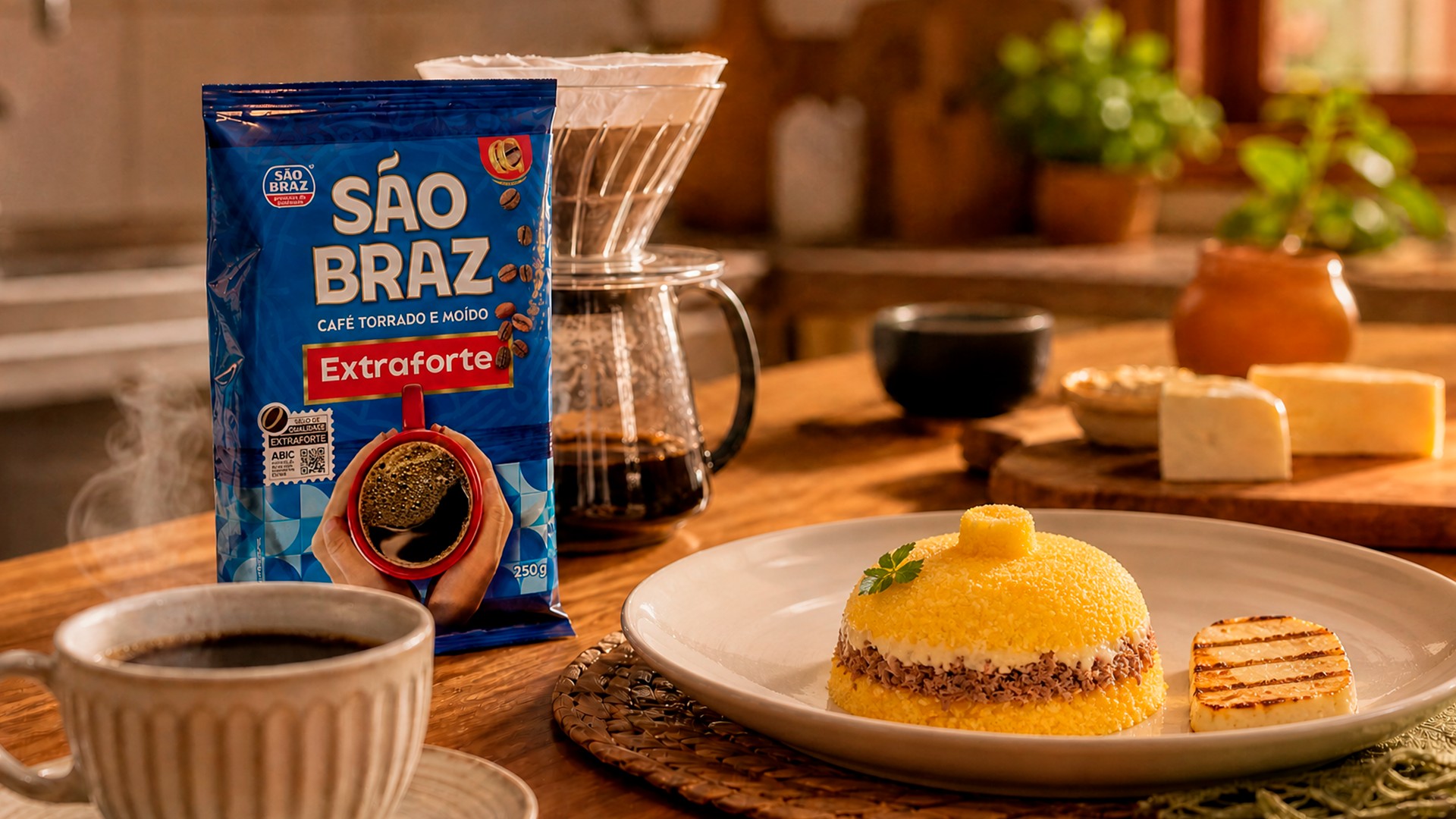
In Northeastern Brazil, the act of 'receiving well' is a deeply ingrained cultural tradition that spans generations, remaining vibrant despite modern lifestyle changes. It's customary for hosts to offer visitors freshly brewed coffee, a homemade cake, warm couscous, or a snack, transforming the dining table into a space for connection, storytelling, and belonging. This tradition highlights the strong link Northeasterners have with their food, where everyday ingredients evoke family memories and recipes passed down through generations. Consequently, quality, taste, and trust are paramount when selecting pantry items, as food is intrinsically tied to cultural identity in the region.
The article highlights how deeply ingrained culinary traditions and the practice of hospitality are in Northeastern Brazil's cultural identity. The success of companies like São Braz, founded in 1951 and now offering over 200 products across 12 industrial lines, demonstrates a business model that successfully leverages this cultural connection. By expanding its portfolio beyond coffee to include cereals, spices, cornmeal, snacks, and cake mixes, São Braz has positioned itself as a key player in the region's food industry. This strategy capitalizes on consumer trust built through generations of association between food, family, and cultural heritage, suggesting that authenticity and quality are critical differentiators in a market where food is more than sustenance—it's a symbol of belonging and tradition.
AI-generated to prompt reflection — not editorial opinion, not advice, not a statement of fact. How this works.