Northeastern Festival in Mojuí dos Campos Draws 30,000 on Opening Night
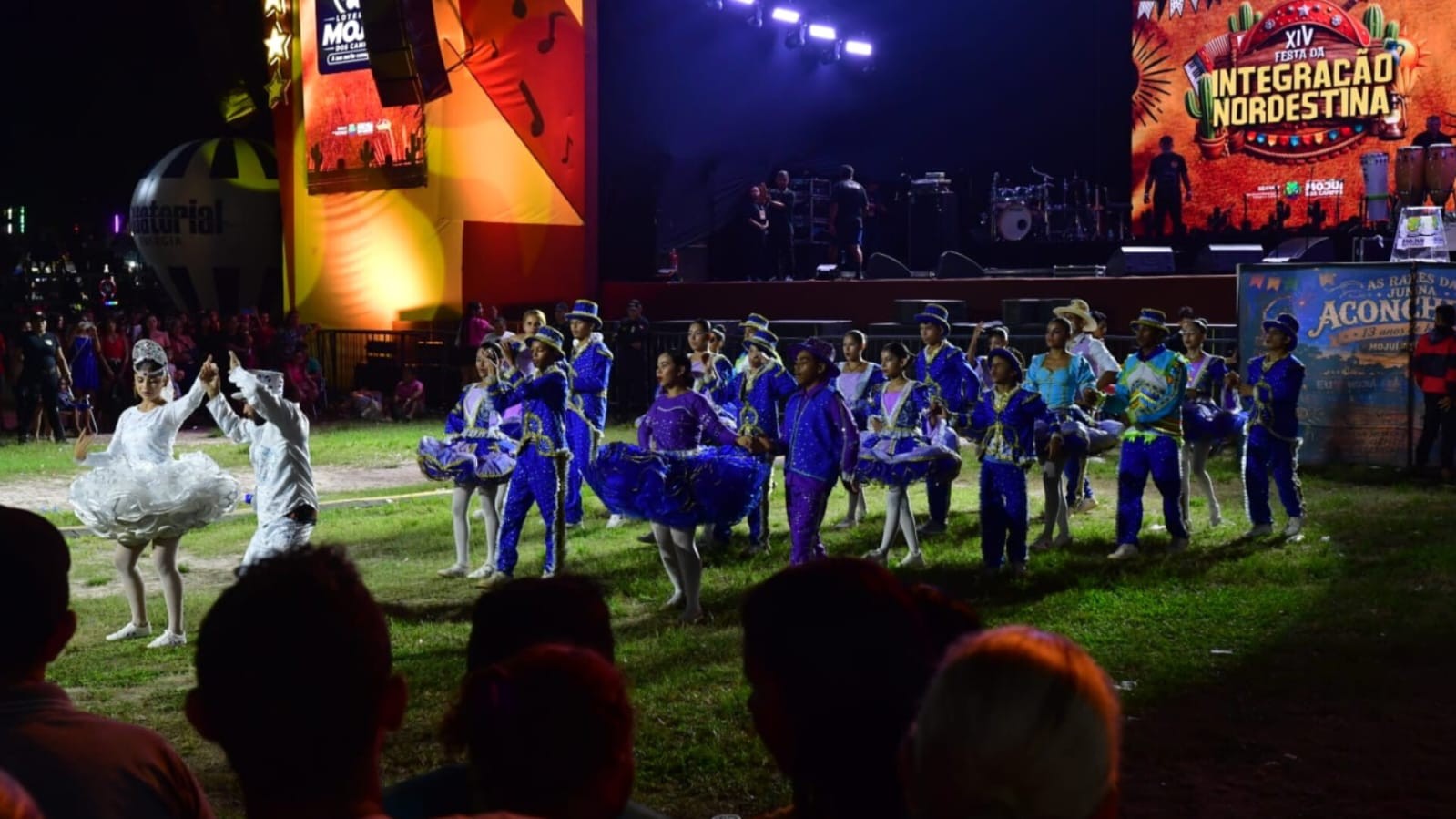
The 14th edition of the Festa da Integração Nordestina (Northeastern Integration Festival) commenced in Mojuí dos Campos, Pará, attracting approximately 30,000 attendees on its opening night, Thursday, September 9th. The event, held in the western Pará municipality, celebrated the cultural heritage of migrants who contributed to the city's founding and development. The opening festivities featured cultural presentations, including performances by elderly groups and the Quadrilha Aconchego do Mojuí, alongside musical acts like Falcão Vaqueiro and the duo Claudio Ney and Juliana, who performed forró and sertanejo music. The festival grounds include stages for shows, quadrilha presentations, and photo booths, aiming to educate younger generations and visitors about the region's roots. Attendees could also explore numerous stalls offering local products and items from family farms, with a menu blending Pará and Northeastern delicacies prepared by rural producers. A notable attraction is the Northeastern Museum, which showcases historical artifacts, traditional utensils, and photographs from the area's early settlement period, preserving the memory of the first families. Additionally, 200 basic food baskets were distributed, and refrigerators were raffled among attendees, with the celebration continuing late into the night. The festival is scheduled to continue on Friday, September 10th, with national performances by Magníficos and Fruto Sensual, alongside Ramires, Banda 5ª Dimensão, and traditional dance groups. The closing night on Saturday, September 11th, will feature a headline performance by singer Joelma, complemented by other artists and cultural recitals, concluding the region's largest Northeastern celebration.
This cultural festival highlights the enduring importance of regional identity and heritage preservation in Brazil, particularly for communities shaped by internal migration. The event's success, evidenced by the large turnout, suggests a strong public appetite for cultural events that connect present generations with their historical roots and ancestral traditions. By incorporating elements like traditional food, music, dance, and historical exhibits, the festival serves as a vital mechanism for intergenerational knowledge transfer and community cohesion. The inclusion of local agricultural producers and the distribution of aid also point to the festival's role in supporting local economies and addressing social needs. Looking ahead, such events can foster greater cultural understanding and integration, potentially influencing regional development strategies and reinforcing the value of cultural capital in diverse societies.
AI-generated to prompt reflection — not editorial opinion, not advice, not a statement of fact. How this works.