Northwest Fluminense Cities Prepare for El Niño Impacts
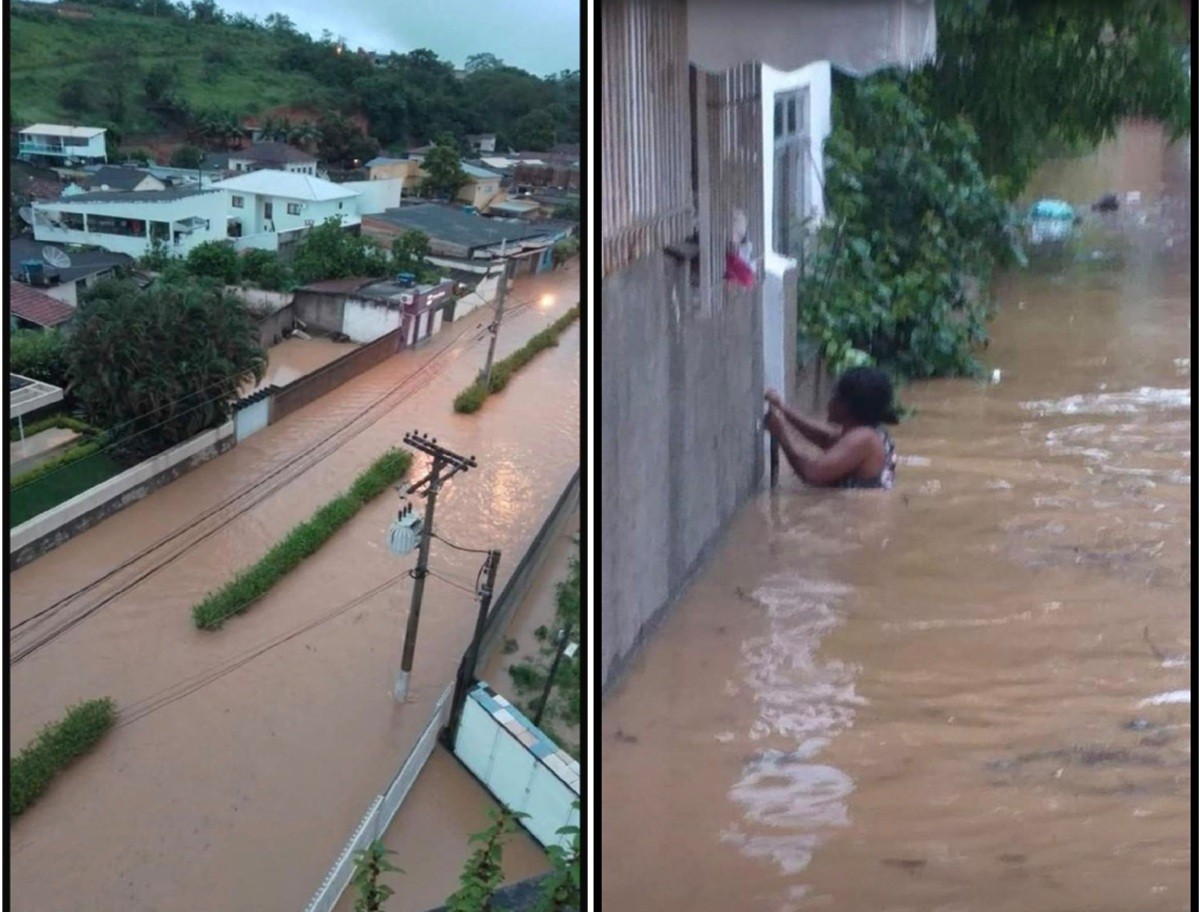
Municipalities in Northwest Fluminense, Brazil, are implementing preventative measures in anticipation of potential El Niño impacts. Key actions include establishing crisis management committees, updating contingency plans, and closely monitoring weather conditions. In Itaperuna, a crisis management cabinet will be formed to coordinate prevention and response efforts. Porciúncula has created a committee to assess risk scenarios, develop preventive protocols, and safeguard the population. This initiative is also linked to a study with UFRJ and FUJB aimed at mitigating flood impacts from the Carangola River. Miracema has upgraded its monitoring system for the Santo Antônio stream, installed a weather station, and enhanced wildfire prevention. Road improvements have also been made to facilitate emergency response teams. Bom Jesus do Itabapoana is following state government and Cemaden guidelines, monitoring climate conditions and past protocols. These preparations are part of a broader municipal strategy to reduce the effects of extreme weather events like floods, droughts, and fires, ensuring a swifter response from Civil Defense and other involved agencies.
Municipalities are proactively addressing potential climate disruptions, demonstrating a growing awareness of the need for resilience against extreme weather phenomena like El Niño. The coordinated efforts, including inter-institutional partnerships and technological upgrades like weather stations, reflect a systemic approach to risk management. This preparedness is crucial as climate change intensifies such events, necessitating adaptive strategies. The focus on contingency planning and emergency response highlights the evolving role of local governance in safeguarding communities against environmental volatility. Future planning should consider long-term infrastructure resilience and community education to further bolster defenses against predictable climate impacts.
AI-generated to prompt reflection — not editorial opinion, not advice, not a statement of fact. How this works.