Northwest Passage: A New Global Trade Route Amidst Climate Change?
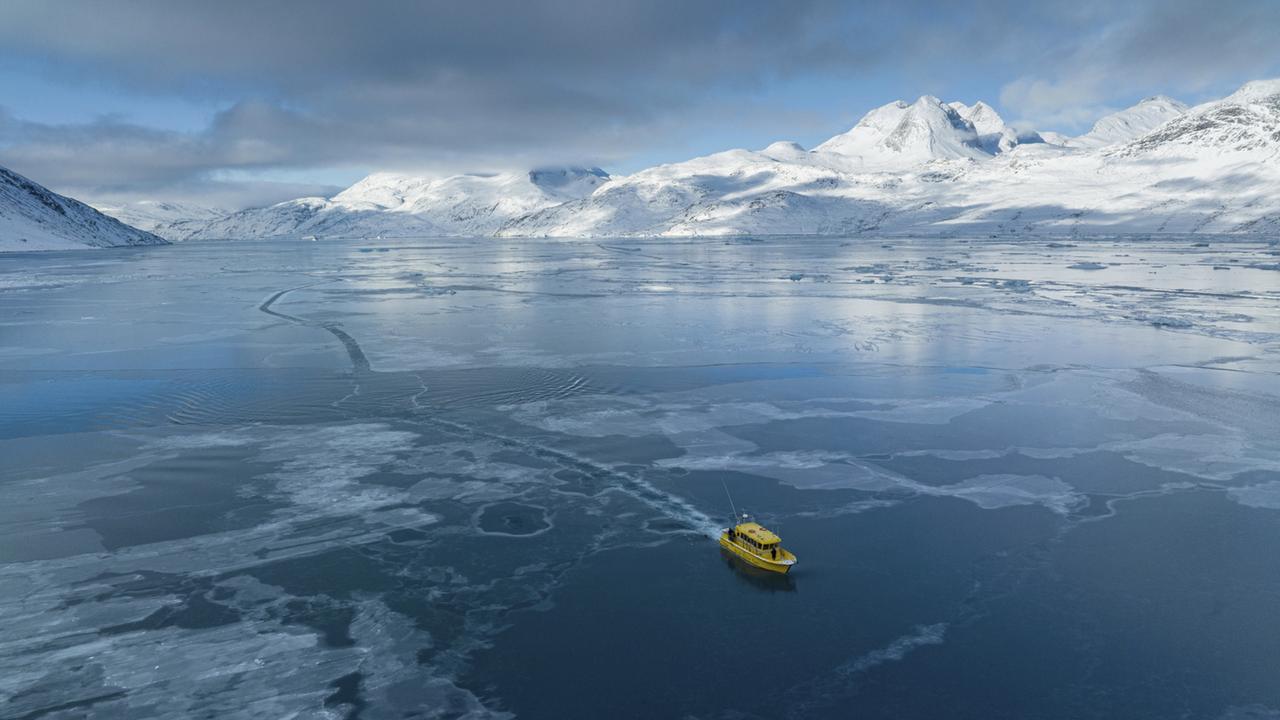
The Northwest Passage, historically considered one of the world's most dangerous sea routes, is gaining attention due to climate change. Scientists and industry experts are exploring the potential for this Arctic waterway to become a viable new trade route connecting East Asia and North America. Melting ice caps, a direct consequence of global warming, are opening up previously impassable areas, reducing transit times and potentially lowering shipping costs compared to traditional routes like the Suez Canal. However, significant challenges remain. The passage is still prone to unpredictable ice formations and severe weather conditions, requiring specialized ice-strengthened vessels and advanced navigation technology. Furthermore, the environmental impact of increased shipping traffic in the fragile Arctic ecosystem is a major concern, necessitating strict regulations and sustainable practices. The economic feasibility also depends on the development of port infrastructure and reliable logistical support along the route. While the prospect of a new global trade artery is enticing, its realization as a regular, large-scale commercial pathway will likely be a gradual process, contingent on technological advancements, international cooperation, and robust environmental stewardship.
The potential emergence of the Northwest Passage as a significant global trade route is a complex interplay of environmental change and logistical challenges. While climate change is undeniably altering Arctic conditions, making previously inaccessible areas navigable, the transition from a hazardous route to a reliable commercial artery involves substantial investment and risk mitigation. The economic incentives of shorter transit times must be weighed against the considerable operational costs associated with ice navigation, specialized vessel requirements, and the potential for environmental disasters in a sensitive ecosystem. Future viability will depend on the development of robust international governance frameworks, technological innovations in ice-breaking and navigation, and the establishment of critical infrastructure. The long-term success hinges on balancing the pursuit of efficiency and new trade opportunities with the imperative to protect the Arctic environment and ensure the safety of maritime operations.
AI-generated to prompt reflection — not editorial opinion, not advice, not a statement of fact. How this works.