Northwestern Wildfire Smoke Expected to Blanket Much of the US
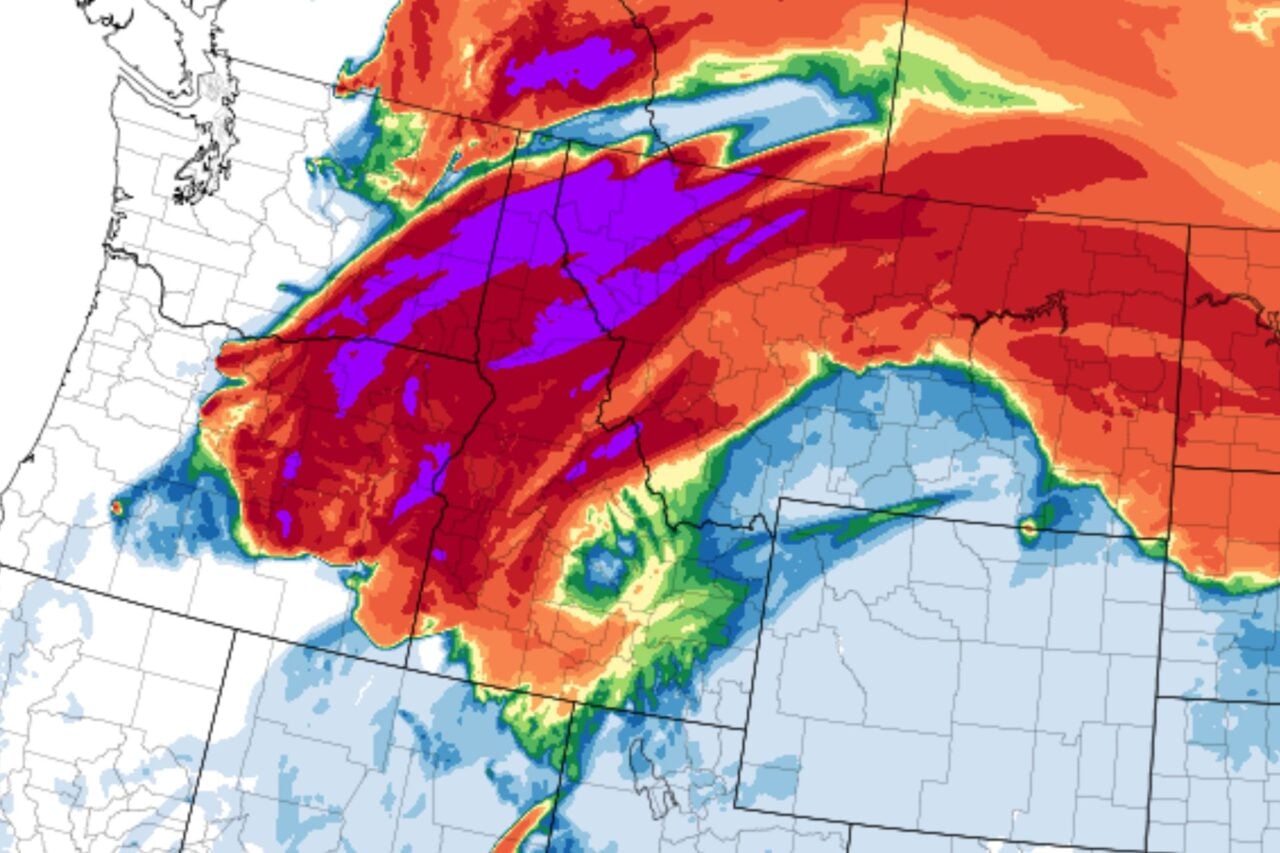
Wildfires burning across more than 1.5 million acres in Oregon and Washington are generating significant smoke plumes. These smoke clouds are predicted to travel eastward, impacting air quality across a vast portion of the United States. The smoke is expected to reach as far as Florida, indicating the extensive reach of the atmospheric pollution. Residents in affected areas may experience reduced visibility and potential health concerns due to the smoke. This event highlights the widespread consequences of large-scale wildfires, which can have transboundary environmental impacts. Authorities are monitoring air quality and advising the public on safety measures. The scale of the fires underscores the challenges in managing and containing such intense blazes in the region. The long-range transport of smoke is a recurring issue during severe wildfire seasons, affecting communities far from the fire's origin.
The widespread dispersion of smoke from the Northwestern wildfires underscores the interconnectedness of environmental events across continental scales. This phenomenon, driven by prevailing wind patterns and the sheer volume of particulate matter released, presents a complex challenge for public health and atmospheric management. It highlights the need for robust, multi-jurisdictional strategies that address not only fire suppression but also the downstream consequences of air quality degradation. The long-term implications for public health, ecosystems, and climate feedback loops warrant continued scientific investigation and proactive policy development, considering the increasing frequency and intensity of such events in a changing climate.
AI-generated to prompt reflection — not editorial opinion, not advice, not a statement of fact. How this works.