Norway Lacks National Drowning Registry, Requiring Media and Police Log Scrutiny
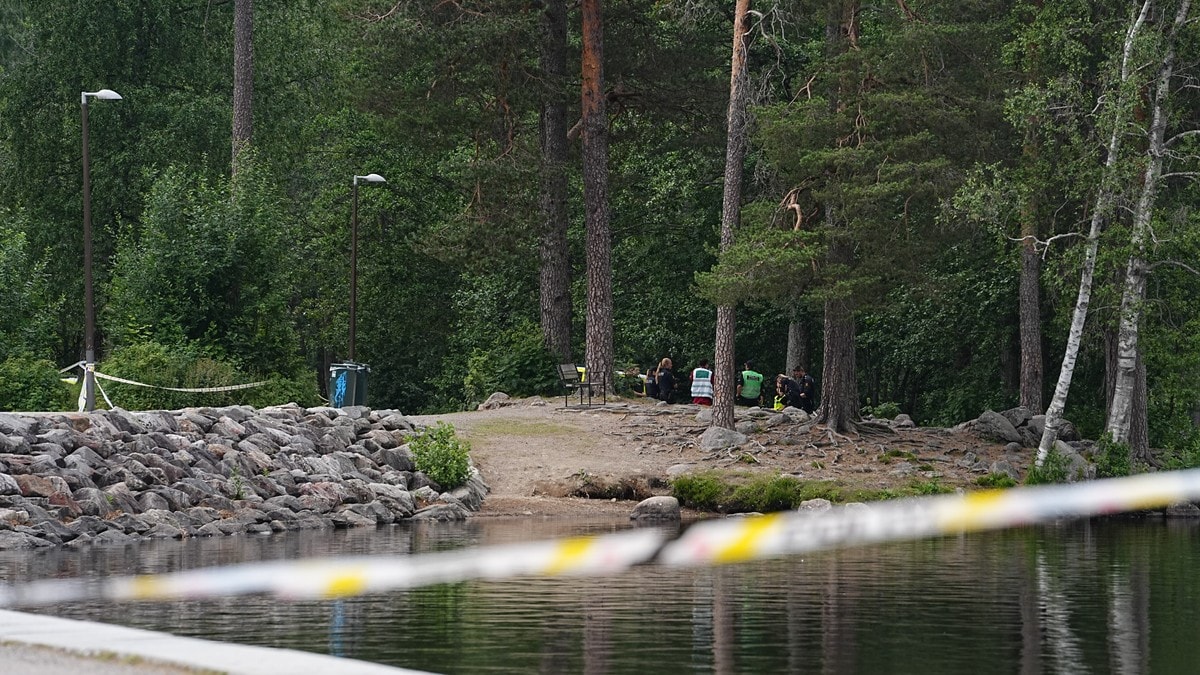
Norway does not maintain a national registry for drowning incidents. The Norwegian Society for Sea Rescue (Redningsselskapet) must meticulously review media reports and police logs to compile statistics on these tragedies. This process involves significant "detective work" to gather accurate data. The absence of a centralized database makes it challenging to track the full scope of drowning accidents across the country. Consequently, obtaining comprehensive and reliable figures relies on manual data collection from various sources. This method highlights a significant gap in Norway's public safety data collection infrastructure concerning water-related fatalities. The Redningsselskapet's efforts underscore the difficulties faced in monitoring and potentially preventing future drownings without dedicated official records.
The absence of a national drowning registry in Norway presents a data deficit that hinders comprehensive public safety analysis and preventative strategy development. Relying on media and police logs for statistical compilation is an inefficient and potentially incomplete method, susceptible to reporting biases and gaps. This situation may reflect broader challenges in governmental data infrastructure, where resource allocation or prioritization has not adequately addressed the need for systematic tracking of preventable public health issues. Over the next decade, advancements in data science and public health surveillance could offer more robust solutions, potentially through integrated digital reporting systems that automatically aggregate incident data, thereby improving accuracy and enabling more targeted interventions.
AI-generated to prompt reflection — not editorial opinion, not advice, not a statement of fact. How this works.