Norway's Arctic Town Where Dying is Discouraged, Not Banned
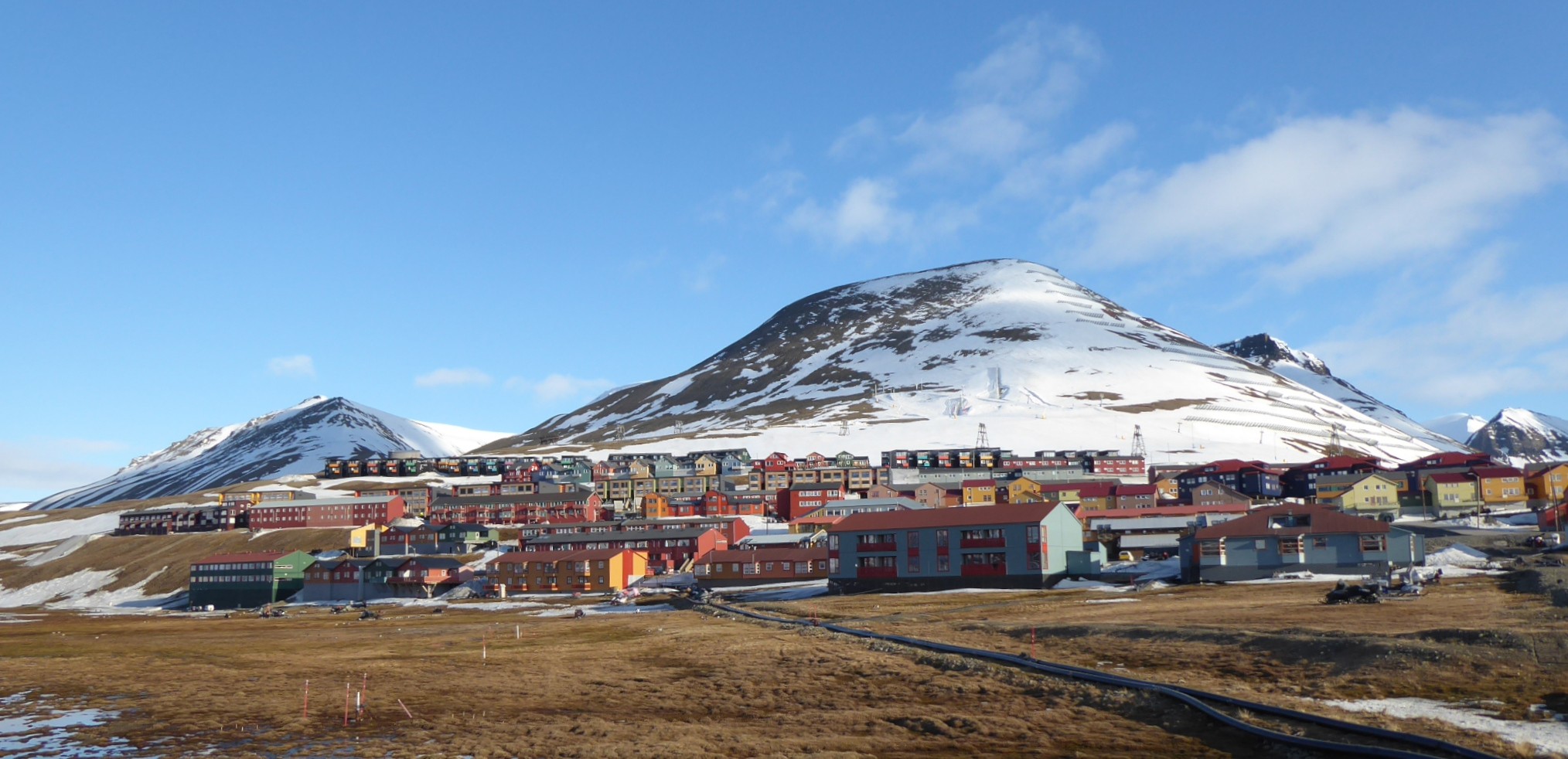
Longyearbyen, a town in Norway's Svalbard archipelago, has a curious reputation for 'prohibiting death,' though this is not legally enforced. The perception stems from practical decisions made by local authorities. Since 1950, the town's cemetery has stopped accepting new burials due to the permafrost, which prevents bodies from decomposing and risks preserving ancient microorganisms, including historical viruses like the Spanish flu. Consequently, bodies are often preserved for extended periods. Furthermore, Longyearbyen lacks the necessary infrastructure for long-term care, such as for the elderly or those requiring palliative care. Residents needing such services are typically transferred to mainland Norway. Pregnant women are also encouraged to travel to the mainland three weeks before their due date to give birth in a fully equipped hospital, as the town has no maternity facilities. While dying is not illegal, the town's conditions do not support the entire life cycle from birth to death, leading to the popular, albeit inaccurate, notion that death is forbidden.
The situation in Longyearbyen highlights a tension between human settlement and extreme environmental conditions. The town's policies, while seemingly restrictive, are rational responses to the logistical and public health challenges posed by permafrost and limited resources. This scenario prompts consideration of how future Arctic or similarly isolated communities might balance habitability with the fundamental aspects of human life. As technology advances, it may offer solutions for sustainable infrastructure and healthcare in such environments, potentially altering the current trade-offs between residing in these unique locations and meeting comprehensive life-cycle needs. The underlying governance challenge is to ensure that necessary services are accessible without compromising the unique ecological integrity of the region.
AI-generated to prompt reflection — not editorial opinion, not advice, not a statement of fact. How this works.