Norway's Least Used Train Station Built Despite No Residents
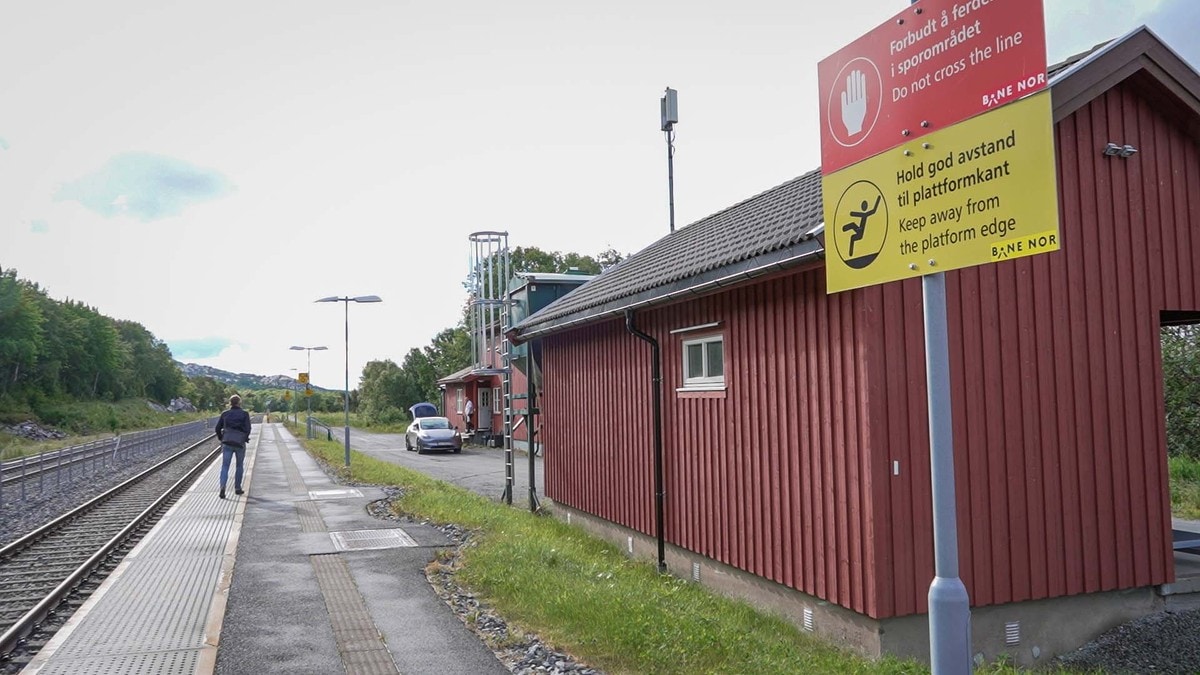
Oteråga, a train stop located outside Bodø, Norway, is likely the country's least utilized station. Despite the absence of any local residents, the station was constructed at a cost exceeding 160 million Norwegian kroner. Of Norway's 335 train stations and stops, Oteråga stands out for its lack of passenger traffic. The decision to build the station in an unpopulated area raises questions about the planning and justification for such infrastructure projects. The significant expenditure on a facility with no apparent users highlights potential inefficiencies in public transportation development. This situation underscores a broader discussion about resource allocation and the criteria for establishing new transit points.
The construction of Oteråga train station, costing over 160 million NOK, in an area with no residents presents a case study in public infrastructure investment. This event prompts an examination of the decision-making processes and the metrics used to justify such expenditures. Evaluating the long-term sustainability and utility of transportation projects, especially in sparsely populated regions, requires robust forecasting and community needs assessments. Future planning could benefit from prioritizing projects with demonstrable demand and clear economic or social returns, ensuring that public funds are allocated efficiently to serve the greatest number of citizens and contribute to sustainable development goals.
AI-generated to prompt reflection — not editorial opinion, not advice, not a statement of fact. How this works.