Norway's reservoirs at historic lows, signaling high electricity prices
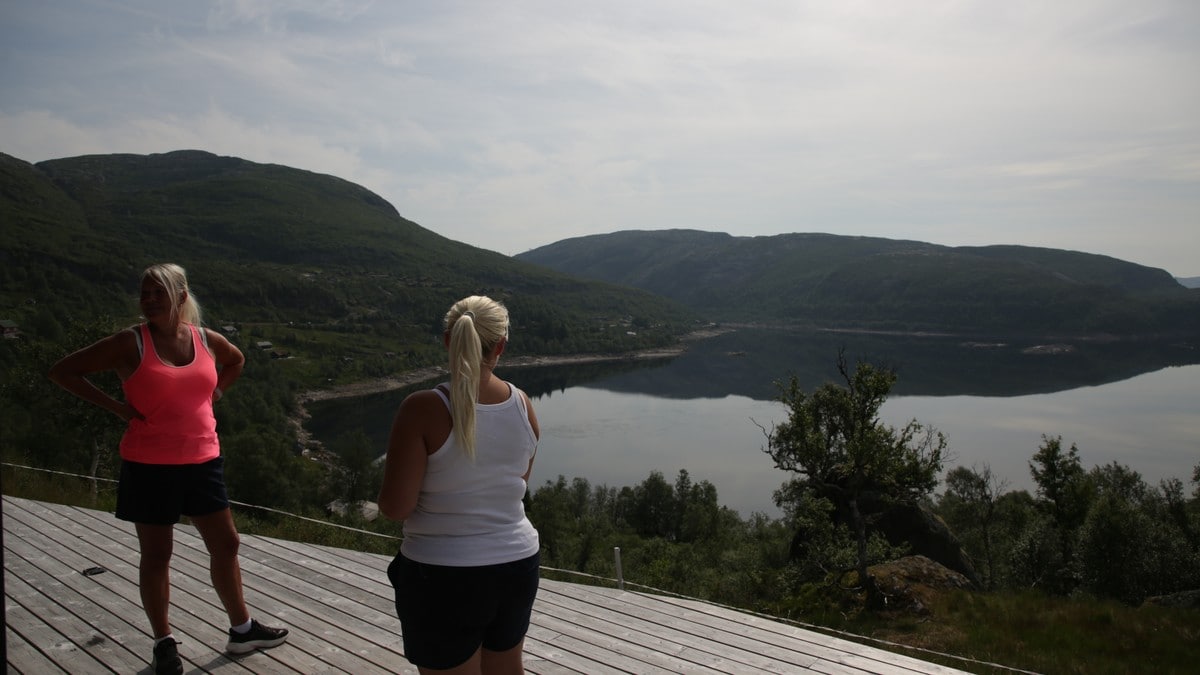
Norwegian water reservoirs are experiencing unusually low levels, with only three instances in the past two decades seeing less water. This scarcity suggests that consumers should anticipate elevated electricity prices in the near future. The current situation is so severe that the visual appearance of the reservoir beds resembles a sandy beach. This low water level is a significant concern for Norway's energy supply, as hydropower is a primary source of electricity generation in the country. The prolonged period of reduced water accumulation points to potential challenges in meeting energy demands, especially during peak consumption times. Authorities and energy providers are likely monitoring the situation closely to manage resources and mitigate the impact of potential price hikes on households and industries. The expectation of high electricity prices serves as a warning to consumers to prepare for increased costs and potentially adjust their energy consumption habits.
The low water levels in Norwegian reservoirs highlight the inherent vulnerability of hydropower-dependent energy systems to climatic variations. This situation underscores the critical need for diversified energy portfolios and robust grid management strategies to ensure energy security and price stability. As climate patterns become more unpredictable, reliance on a single primary energy source presents systemic risks. Future energy planning must account for such fluctuations, potentially through increased investment in energy storage, interconnector capacity, and alternative renewable sources. This event offers an opportunity to reassess long-term energy infrastructure resilience and the economic implications of climate change on essential utilities.
AI-generated to prompt reflection — not editorial opinion, not advice, not a statement of fact. How this works.