Norway's 'Viking Roar' Ritual Goes from World Cup Stadium to Parliament
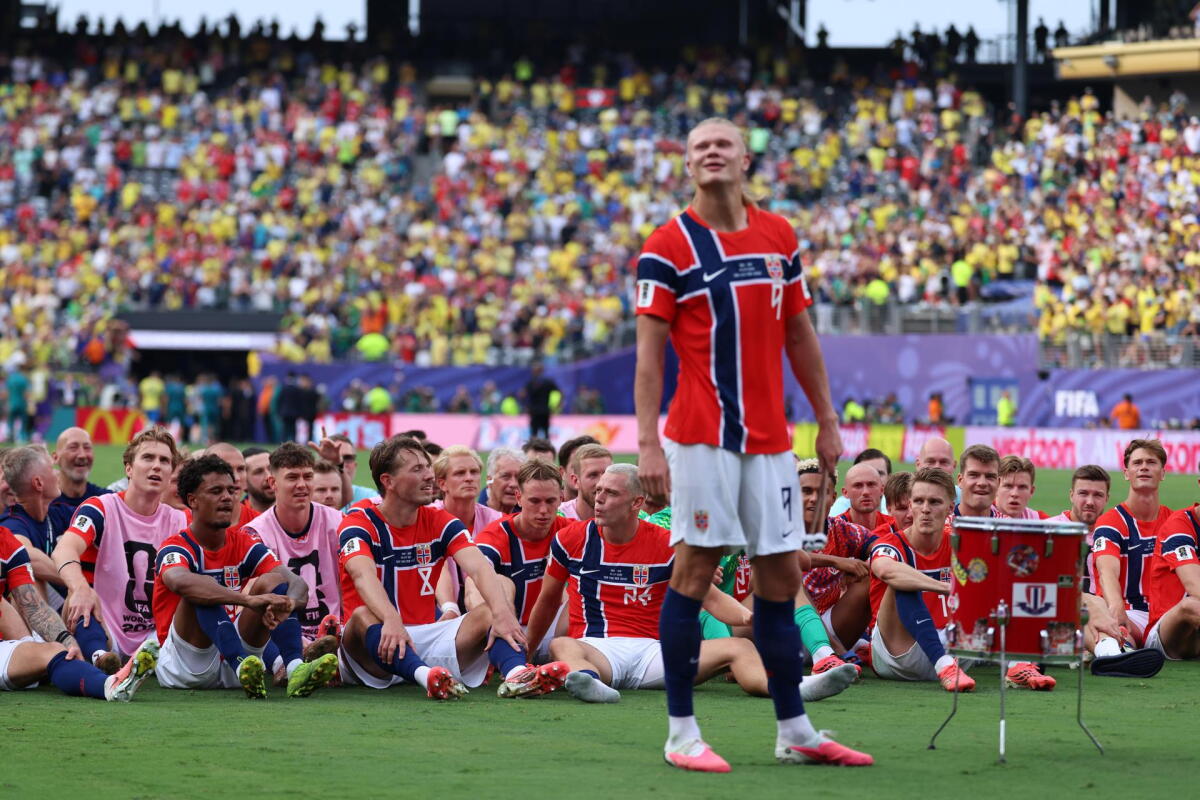
Norway has returned to the World Cup stage after a 28-year absence, captivating fans with a viral ritual known as the "¡Ro!". This distinctive chant, inspired by Viking traditions, has now extended its influence beyond the realm of football. The "¡Ro!" has become a symbol of national pride and a unique cultural phenomenon, resonating with supporters and even making its way into broader public discourse. The team's participation in the tournament, marked by this distinctive ritual, has generated significant attention and enthusiasm. The "¡Ro!" chant is characterized by its powerful, guttural sound, intended to evoke the spirit of ancient Norse warriors. Its widespread popularity has led to its adoption in various social settings, demonstrating its cultural impact. The team's performance, coupled with this memorable tradition, has made Norway a notable presence at the World Cup. The ritual's journey from the stadium to potentially influencing public spaces highlights its unexpected reach. This phenomenon underscores how cultural expressions can transcend their original contexts and gain broader significance.
The "¡Ro!" ritual's transition from a sporting event to a symbol recognized in national discourse illustrates the potent influence of collective identity and shared cultural practices in the digital age. Such viral phenomena, often rooted in historical or mythological themes, can serve as powerful unifying forces, transcending typical social or political divides. As societies increasingly seek anchors in tradition amidst rapid technological and social change, these expressions offer a sense of continuity and belonging. The challenge for public life lies in harnessing this emergent collective energy constructively, ensuring that shared symbols foster inclusive dialogue and civic engagement rather than becoming instruments of division or ephemeral trends.
AI-generated to prompt reflection — not editorial opinion, not advice, not a statement of fact. How this works.