Norway Unveils National Monument 15 Years After Breivik's Terror Attacks
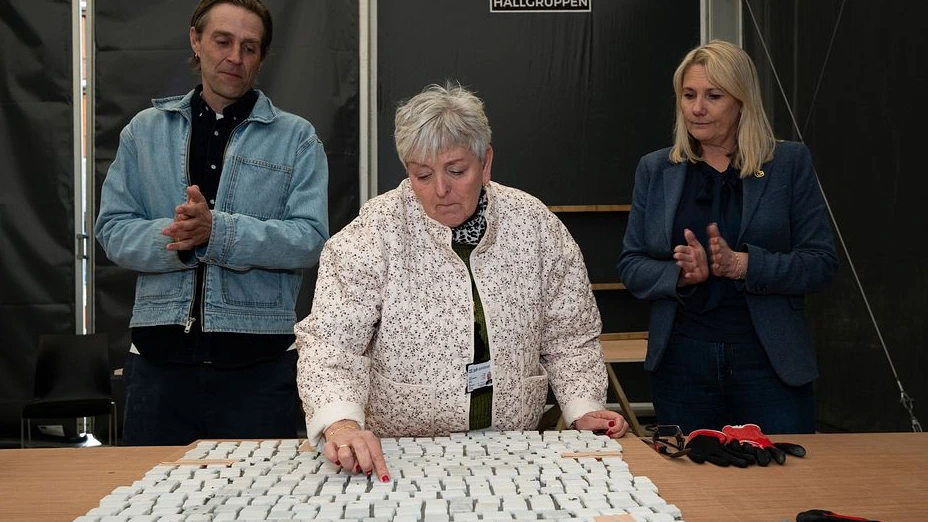
Oslo, Norway, today inaugurates the National July 22 Monument, commemorating the victims of the 2011 terrorist attacks orchestrated by Anders Breivik. Exactly fifteen years ago, Breivik committed the deadliest act of terror in modern Norwegian history, killing 77 people in Oslo and on the island of Utøya. The monument, unveiled in the rebuilt government quarter near the original bomb site, honors the eight victims of the Oslo bombing and the 69, primarily teenagers at a Labour Party youth camp, who were subsequently shot dead on Utøya. In Norway, Breivik's name is often deliberately omitted during commemorations to shift focus to the victims, their families, survivors, and the democratic values he targeted. The government complex, severely damaged by the blast, was only officially reopened in April of this year, highlighting the prolonged and contentious aftermath. Norwegian artist Matias Faldbakken, creator of the winning design 'Upholding,' explained that the monument's delayed realization, after fifteen years, was due to canceled competitions, legal disputes, and the deeply divisive nature of the event. While a monument was opened on Utøya in 2022, it also followed years of debate. Faldbakken's design incorporates a large steel support structure, inspired by one used during the area's reconstruction, symbolizing Oslo, and a mosaic representing Utøya. The names of all 77 victims are etched into the steel, while the mosaic, composed of approximately 300,000 stones, depicts a small wading bird by the water at Utøya. Around 2,000 people, including survivors and bereaved families, assisted in the final stages of the 2.5-year project, placing the stones. Faldbakken aimed for the artwork to be imposing and bold, reflecting the attacks' impact, while the mosaic signifies the small, vulnerable, and irreplaceable lives lost. He views the monument not only as a place for remembrance but also as a bulwark against future attacks. The official opening ceremony was attended by Crown Prince Haakon, ministers, survivors, and bereaved families. Prime Minister Jonas Gahr Støre expressed hope that the memorial will serve as a site for reflection and memory, enabling future generations to learn about and understand the terrorist attack and society's response.
The delayed establishment of a national monument, fifteen years after the 2011 attacks, underscores the profound and lasting societal trauma and the complex process of collective mourning and reconciliation. The careful consideration in design and the deliberate omission of the perpetrator's name reflect a strategic effort to prioritize victimhood and democratic resilience over the notoriety of the attacker. This approach aims to frame the event as an assault on societal values rather than a platform for extremist ideology. The monument's dual symbolism, connecting the Oslo bombing site with Utøya, and the collaborative construction involving survivors and families, suggest a move towards shared healing and remembrance. As society navigates the increasing threat of politically motivated violence, such memorials serve not only as historical markers but also as crucial educational tools for future generations, reinforcing the importance of vigilance and societal cohesion in the face of extremism.
AI-generated to prompt reflection — not editorial opinion, not advice, not a statement of fact. How this works.