Norwegian FA President Criticizes FIFA Chief Infantino's World Cup Travel
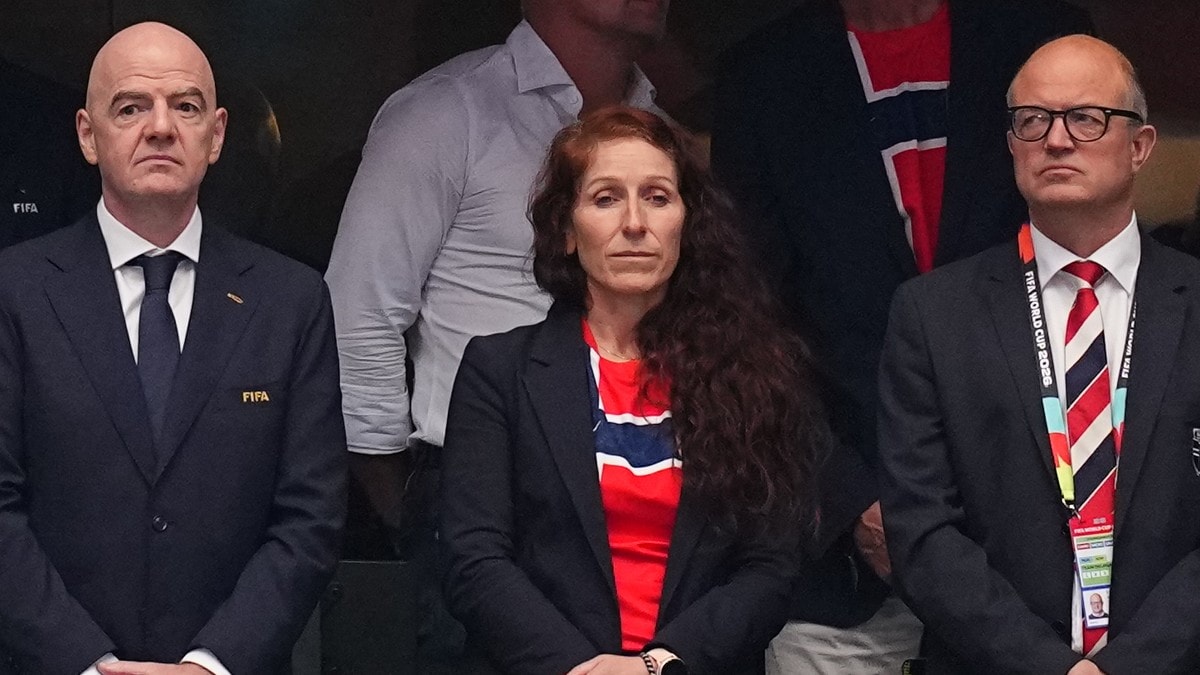
Norwegian Football Federation president Lise Klaveness has described FIFA President Gianni Infantino's extensive travel during the World Cup as "controversial." Klaveness stated that this is not how she would have handled such travel arrangements. Her remarks suggest a difference in approach to resource allocation and public perception between the leadership of Norwegian football and the head of the global governing body. The specific number of flights taken by Infantino or the destinations were not detailed in the original statement, but the core issue raised pertains to the optics and potential implications of such frequent travel during a major international tournament. Klaveness's comments imply a concern for how these actions might be perceived by stakeholders and the wider public, particularly in relation to the environmental impact and the financial resources involved. This critique highlights a potential disconnect in leadership styles and priorities within international football governance.
The divergence in perspective between Lise Klaveness and Gianni Infantino regarding travel during the World Cup underscores a broader tension in sports governance. While FIFA operates on a global scale with significant logistical demands, the perception of resource utilization, particularly concerning frequent air travel, remains a sensitive issue. Klaveness's statement, framed as a personal "not how we would do it," invites consideration of alternative operational models that might prioritize sustainability or public accountability. This situation prompts reflection on the incentive structures that drive executive travel and the evolving expectations of stakeholders for transparency and environmental responsibility in large-scale sporting events. The long-term implications involve balancing the operational necessities of global organizations with the increasing societal emphasis on ecological impact and prudent financial management.
AI-generated to prompt reflection — not editorial opinion, not advice, not a statement of fact. How this works.