Norwegian Man Halts Addiction Treatment Due to Financial Strain
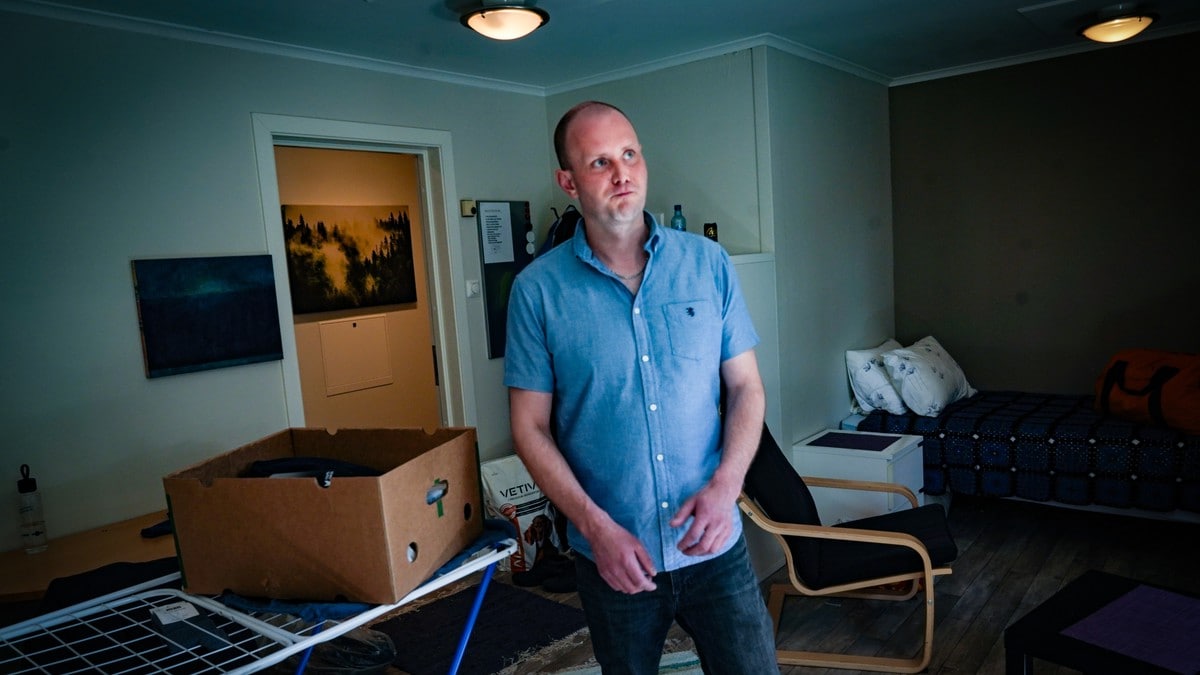
Kjell-Robin, a 36-year-old Norwegian man, has been forced to discontinue his addiction treatment due to financial difficulties. He aims to become free from substance abuse but cannot continue his rehabilitation program because he has had to borrow money. This situation highlights a broader issue where cuts to disability benefits are compelling numerous patients to leave treatment prematurely, before completing their recovery process. The economic pressures are directly impacting individuals' ability to access and sustain necessary healthcare services for addiction.
This situation illustrates a critical tension between public health goals and fiscal austerity measures. Reductions in social welfare benefits, such as disability payments, can inadvertently create barriers to essential healthcare services like addiction treatment. The economic incentive structure appears to disincentivize long-term recovery by making it financially untenable for individuals to complete treatment programs. In the context of the coming decade, where societal challenges may increasingly require robust public health infrastructure, such policies could lead to higher long-term costs associated with untreated addiction, including healthcare, social services, and potential impacts on public safety and productivity.
AI-generated to prompt reflection — not editorial opinion, not advice, not a statement of fact. How this works.