Norwegian Model Prioritizes Enjoyment to Foster Elite Athletes, Boosting Talent Like Haaland
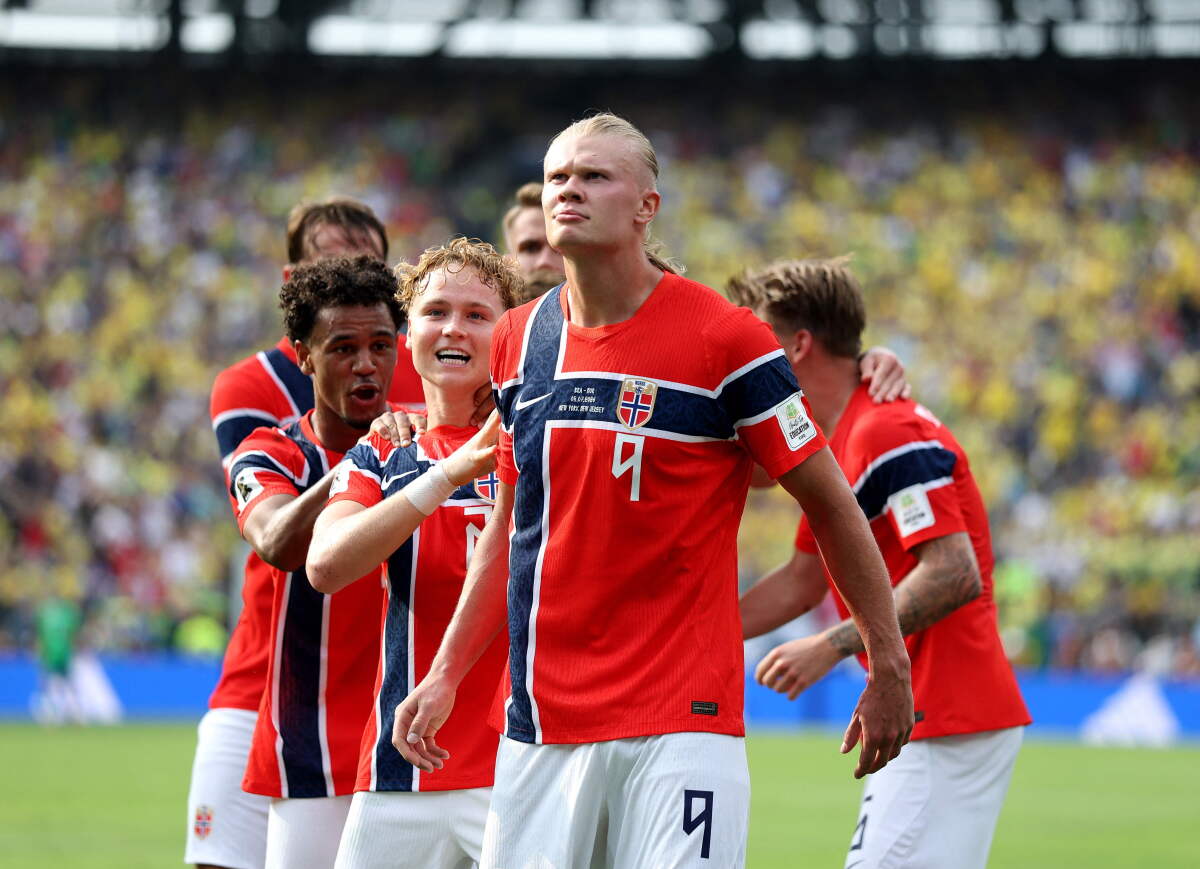
Norway is experiencing a surge in elite football talent, with specialists attributing this phenomenon partly to a unique developmental model. This approach delays competitive pressure and emphasizes the enjoyment of the sport for young athletes. The philosophy suggests that prioritizing fun and intrinsic motivation over early, intense competition can lead to greater long-term success and skill development.
This contrasts with more traditionally aggressive youth sports systems that often introduce high stakes and pressure at younger ages. The Norwegian model aims to cultivate a deeper love for the game, allowing talent to mature organically. This strategy appears to be yielding significant results, as evidenced by the emergence of world-class players like Erling Haaland, who exemplify the potential of this enjoyment-focused approach to athletic development.
The Norwegian model's success in developing elite athletes like Erling Haaland suggests a potential re-evaluation of youth sports development paradigms. By delaying intense competitive pressure and prioritizing enjoyment, this approach may foster greater intrinsic motivation and long-term engagement, reducing burnout and enhancing skill acquisition. This contrasts with systems that emphasize early specialization and high-stakes competition, which can sometimes lead to premature attrition. The long-term implications for athlete well-being and sustained performance warrant further study, particularly in the context of evolving global sports dynamics and the increasing demands placed on young athletes.
AI-generated to prompt reflection — not editorial opinion, not advice, not a statement of fact. How this works.