Nostalgic Digital Cameras Resurge in Popularity, Driven by Trends and Celebrity Influence
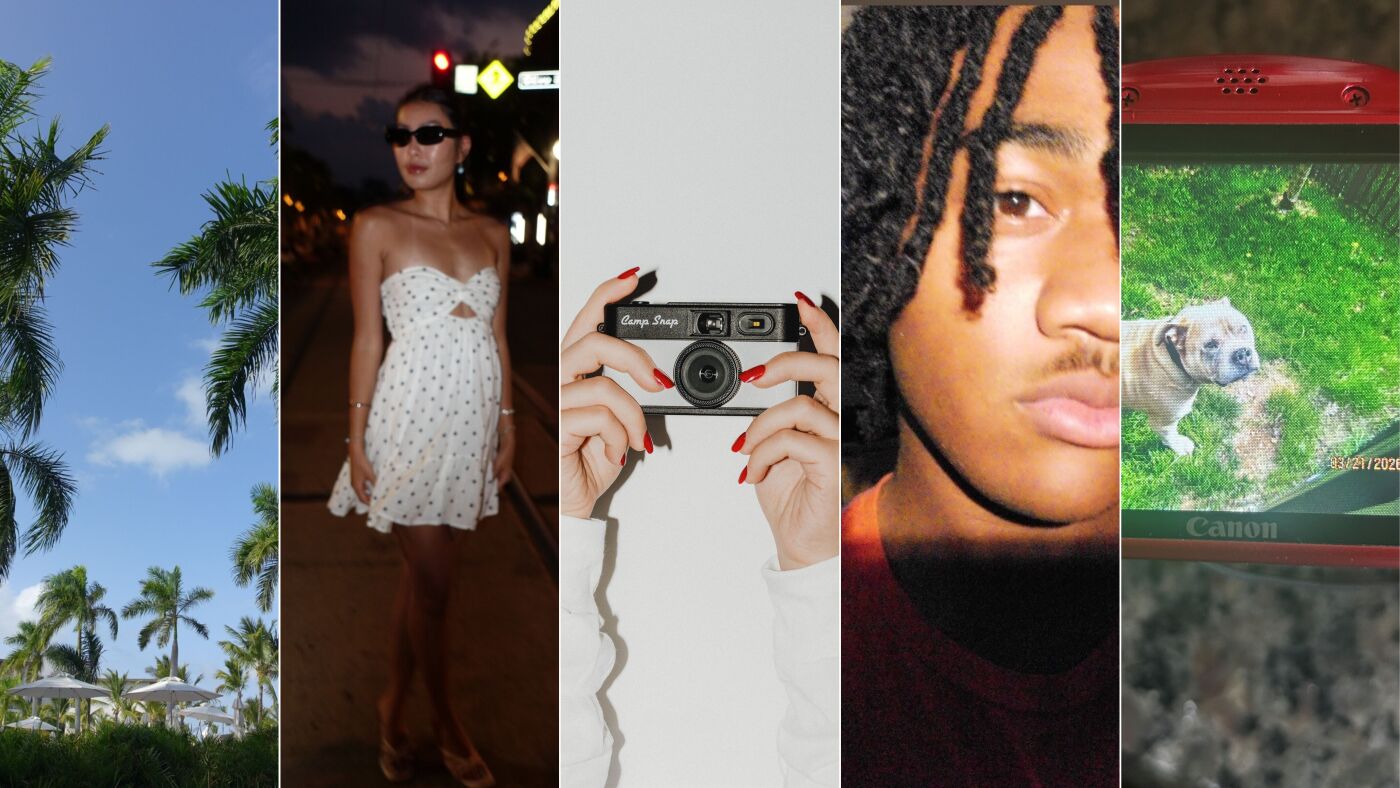
Digital cameras from the early 2000s are experiencing a surprising comeback, appealing to a new generation that wasn't even alive during their initial popularity. This resurgence is attributed to a confluence of factors, including the influence of pop culture icon Taylor Swift, the accelerating pace of trend cycles, and a wave of childhood nostalgia. Additionally, a growing fatigue with the ubiquity and limitations of smartphone photography is pushing consumers to seek alternative, retro-style devices. This trend highlights a desire for tangible, less filtered photographic experiences and a renewed appreciation for the aesthetic of early digital imaging. The demand suggests a broader cultural movement away from constant digital connectivity and towards more curated, intentional forms of self-expression.
The revival of early 2000s digital cameras reflects a cyclical pattern in consumer technology adoption, where novelty and perceived authenticity drive demand for older formats. This trend may indicate a societal pushback against the hyper-connected, often overwhelming, digital landscape dominated by smartphones. The influence of celebrity endorsements, like that of Taylor Swift, demonstrates the potent impact of cultural figures on market trends, particularly among younger demographics. From a market perspective, this phenomenon presents an opportunity for brands to capitalize on nostalgia and the desire for differentiated user experiences, potentially by reissuing or reimagining vintage technology with modern enhancements. As AI continues to integrate into everyday devices, the appeal of simpler, more focused technologies like these retro cameras suggests a latent consumer desire for control and a break from algorithmically curated digital lives.
AI-generated to prompt reflection — not editorial opinion, not advice, not a statement of fact. How this works.